The Essential Guide to Understanding the Fire Tetrahedron’s Role in Combustion
1. Introduction to the Fire Tetrahedron
Fire is an omnipresent phenomenon that holds both potential for destruction and the capacity for utility. The understanding of fire dynamics is thus essential not just for firefighting, but for everyday safety and industrial applications. One fundamental principle in fire dynamics is the fire tetrahedron, a model that explains the components necessary for combustion. This article explores the fire tetrahedron’s relevance in understanding fire behavior, analyzing each component, its importance, and the implications for safety protocols in various settings.
1.1 Defining the Fire Tetrahedron
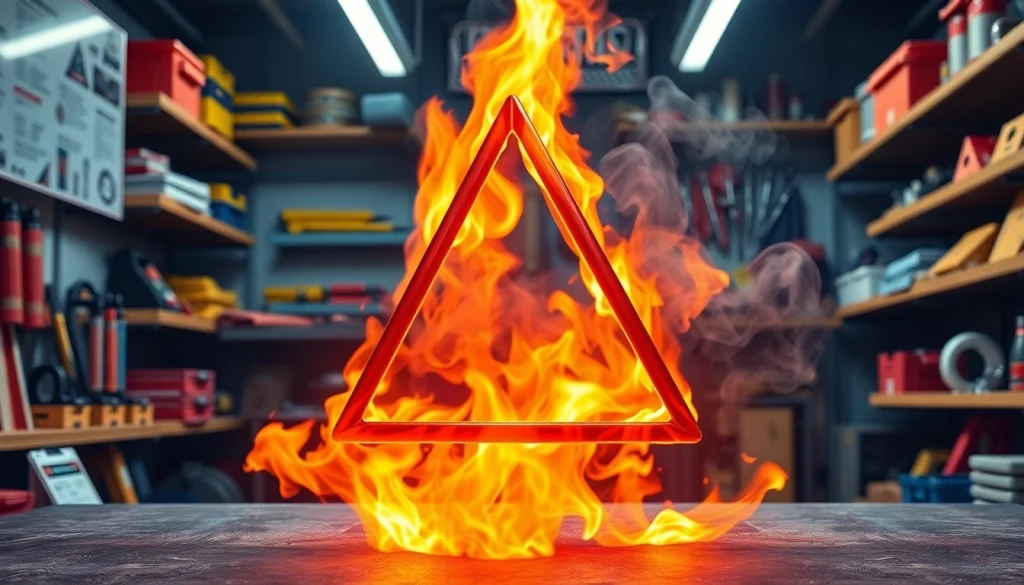
The fire tetrahedron is an extension of the traditional fire triangle, which consists of three essential elements: fuel, heat, and oxygen. The tetrahedron adds a fourth component: a chemical chain reaction, which underscores the complexity of combustion processes. Each of these four elements interacts in a delicate balance to sustain fire, and removing any one of them can extinguish it. This model is crucial for professionals in firefighting, safety engineering, and emergency response, as it provides a clear framework for understanding the dynamics of fire.
1.2 Importance in Fire Dynamics
The fire tetrahedron plays a pivotal role in fire dynamics as it encapsulates the comprehensive nature of combustion. Understanding the interplay between fuel, heat, oxygen, and chain reactions helps fire safety professionals develop more effective prevention and control strategies. For example, in firefighting, understanding the chain reaction can inform tactics such as the use of fire suppressants that disrupt this process. This knowledge not only aids in controlling workplace safety but also assists in designing safer materials and methods for various industries.
1.3 Overview of Essential Fire Safety Concepts
Beyond the tetrahedron, fire safety encompasses numerous concepts, including passive fire protection, active fire protection, and fire detection systems. Passive fire protection refers to walls, floors, and barriers designed to contain fire spread, while active fire protection includes sprinklers and alarms. Understanding the fire tetrahedron enhances these concepts by providing a deeper insight into how and why specific materials respond to fire, which is critical for effective fire safety planning and risk assessment.
2. Components of the Fire Tetrahedron
2.1 Fuel: The Foundation of Fire
Fuel is the first and most critical component of the fire tetrahedron. Without a combustible material, a fire cannot start or sustain itself. Fuels can include solid materials like wood, liquids like gasoline, and gases like propane. Each type of fuel has a unique ignition temperature, burn rate, and combustion characteristics, making it crucial to understand the specific fuel involved in any fire scenario. For instance, in industrial settings, different processes involve various fuels, necessitating tailored fire safety protocols to mitigate the risks associated with each type.
2.2 Heat: The Catalyst for Combustion
Heat is the energy required to raise the material to its ignition temperature. It can come from various sources, such as electrical sparks, open flames, or even friction. The significance of heat in the fire tetrahedron cannot be overstated; it creates the necessary conditions for ignition and sustains the fire once it starts. Understanding how heat is generated and applied is essential in both fire prevention strategies and firefighting tactics. In practice, ensuring that heat sources are adequately managed and controlled is a fundamental aspect of fire safety in any environment.
2.3 Oxygen: The Hidden Ingredient
Oxygen is often underestimated in its importance to the fire tetrahedron. It typically makes up about 21% of the atmosphere, and it is this quantity that sustains most combustion processes. However, in certain scenarios, such as industrial environments, oxygen levels can be manipulated to control fire rates. For example, in controlled burns for vegetation management, fire safety professionals may increase oxygen levels intentionally to promote combustion in a controlled manner. Understanding the role of oxygen is vital for safety managers who aim to prevent accidental ignitions and manage fire risks successfully.
3. Real-World Applications of the Fire Tetrahedron
3.1 Fire Safety Protocols in Industries
Many industries face unique fire hazards based on their operations, materials used, and environment. The fire tetrahedron’s principles should guide the development and implementation of robust fire safety protocols. For example, the manufacturing sector often relies on flammable chemicals; therefore, understanding the types and behaviors of these fuels is crucial. Regular risk assessments, emergency response plans, and employee training based on the tetrahedron’s principles can mitigate risks significantly.
3.2 Firefighting Strategies and Techniques
Firefighters utilize the fire tetrahedron to guide their strategies during emergencies. For example, they may assess which component of the tetrahedron needs to be addressed—removing fuel by creating fire breaks, cooling temperatures with water, or disrupting the chemical chain reaction with fire retardants. These strategies reflect an understanding of fire dynamics that enables more effective suppression of fires.
3.3 Case Studies of Fire Incidents
Analyzing real-world fire incidents through the lens of the fire tetrahedron provides invaluable insights into how fires behave and how they can be prevented or controlled. For instance, in a warehouse fire where flammable materials were improperly stored, a thorough investigation revealed that the presence of excess fuel without adequate fire barriers led to rapid fire spread. This incident underscored the importance of managing fuel sources and ensuring compliance with safety standards, illustrating the real-world implications of the tetrahedron.
4. Challenges Associated with Fire Tetrahedron Principles
4.1 Mismanagement of Fire Dynamics
Despite its significance, the fire tetrahedron is often misunderstood or mismanaged in practice. A common issue is neglecting the importance of controlling all four tetrahedron components. For instance, in situations where only fuel is removed without addressing heat and oxygen, a fire may be temporarily suppressed but not extinguished. This mismanagement can lead to reignition and unexpected hazards, emphasizing the need for a holistic approach to fire safety that incorporates all aspects of the tetrahedron.
4.2 Common Misconceptions about Fire Safety
Many misconceptions exist regarding fire safety that can undermine effective practices. For example, a widespread belief is that merely extinguishing visible flames ensures safety. However, as outlined with the fire tetrahedron, combustion can continue in the absence of visible flames, especially in smoldering materials. Educating both employees and the public on fire behavior and safety protocols based on the tetrahedron is essential to dispel these myths and promote a safer environment.
4.3 Regulatory Challenges in Fire Safety Standards
Regulations governing fire safety often lag behind the evolving understanding of fire dynamics and emerging technology. A major challenge is ensuring compliance with fire safety regulations while accommodating advancements in processes and materials. Safety professionals must advocate for updated regulations that reflect the modern understanding of the fire tetrahedron and emerging fire safety technologies. Continuous training and awareness programs can assist organizations in staying ahead of regulatory requirements.
5. Best Practices for Utilizing the Fire Tetrahedron Knowledge
5.1 Effective Training and Education Programs
Developing effective training and education programs centered around the fire tetrahedron is vital for any organization. These programs should cover not only theoretical concepts but also practical applications that employees can implement in their daily operations. Interactive training that involves simulations and hands-on experiences can significantly enhance retention and understanding, preparing employees to respond effectively to real-life fire scenarios.
5.2 Implementing Safety Measures in the Workplace
Implementing safety measures based on the fire tetrahedron entails evaluating materials, processes, and work environments. Identifying and minimizing fire hazards through proper storage, segregation of incompatible materials, and installation of fire suppression systems are essential steps. Regular safety audits and inspections can help organizations maintain compliance and continuously improve fire safety practices.
5.3 Monitoring and Evaluating Fire Safety Plans
Monitoring and evaluating fire safety plans is critical to ensure they remain effective and relevant. Regular drills and reviews of safety protocols based on the fire tetrahedron can reveal areas for improvement and facilitate prompt responses to emerging challenges. Involving all levels of staff in this process fosters a culture of safety and accountability, ensuring everyone understands their role in fire prevention and response.