
Understanding the Role of an Agriculture Lawyer in Modern Farming
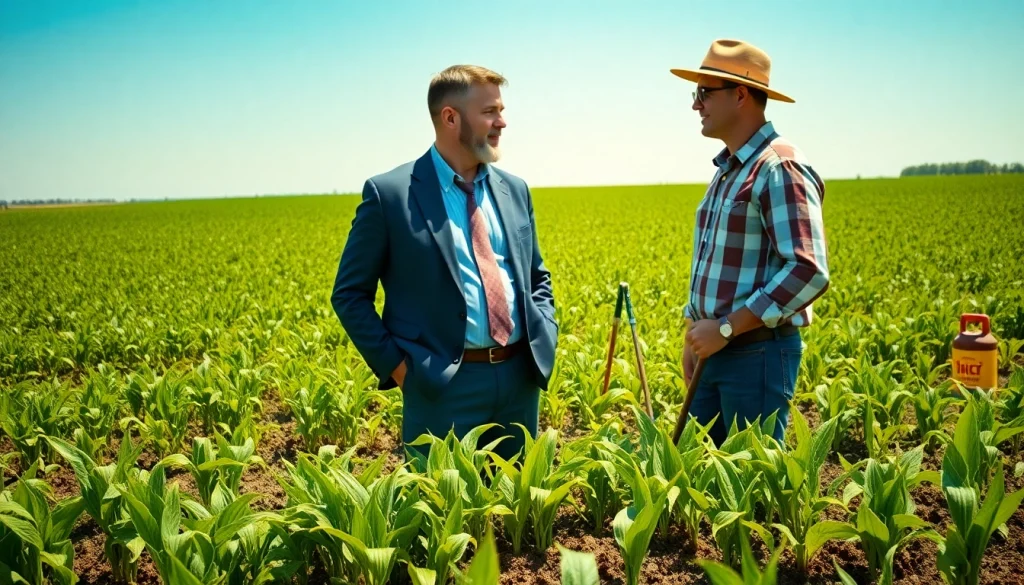
Introduction to Agriculture Law
Agriculture plays a crucial role in our economy, not to mention its significance to our daily lives in terms of food production. Yet, the agricultural industry is fraught with complexities—much of which is governed by various legal frameworks. Understanding agriculture law is essential for farmers, agribusinesses, and stakeholders to navigate these challenges effectively. An agriculture lawyer can provide the necessary legal guidance to ensure compliance, mitigate risks, and promote sustainable practices.
What is Agriculture Law?
Agriculture law consists of the statutes, regulations, and legal concepts that pertain to the production of food, fiber, and other goods through farming. It encompasses a wide range of legal issues, including property rights, zoning, labor regulations, and environmental laws. Agriculture law’s scope also extends to contracts between farmers and suppliers or buyers, water rights, and livestock regulations.
Why You Need an Agriculture Lawyer
Farmers and agricultural enterprises face unique legal challenges that often require specialized knowledge. An agriculture lawyer can help provide legal advice related to land use, zoning, environmental compliance, and labor laws. They can also assist in contract negotiations and disputes, ensuring that farmers can focus on their operations rather than being bogged down by legal complexities. Furthermore, having legal counsel is essential for navigating public policy and regulatory changes that could impact agricultural practices.
Key Areas of Specialization
While agriculture law is broad, it can be further categorized into several key areas of specialization:
- Farm Business Law: Legal issues related to business formation, acquisitions, and mergers.
- Environmental Regulations: Compliance with federal and state environmental laws, including the Clean Water Act and Clean Air Act.
- Labor Law: Issues related to farm laborers, including wages, conditions, and worker safety.
- Land Use and Zoning: Regulations governing how land can be used for agricultural purposes.
- Contract Law: Legal agreements concerning land leases, purchases, sales, and service agreements.
Common Legal Issues in Agriculture
Land Use and Zoning Regulations
Land use and zoning regulations govern how farmland can be utilized, impacting everything from crop production to the construction of farm buildings. These regulations vary by locality and can dramatically affect farming operations. An agriculture lawyer can help navigate these regulations, assist with permits, and advocate for farmers’ rights in case of disputes with local governments.
Environmental Compliance and Sustainable Practices
With growing concerns about climate change and sustainability, farmers must adhere to stricter environmental regulations. These laws are designed to protect natural resources and ensure responsible agricultural practices. Compliance can be complex, often requiring ongoing consultations and assessments. An agriculture lawyer can guide farmers through the labyrinth of environmental regulations, helping them implement sustainable solutions while minimizing liability risks.
Contracts and Transactions in Farming
Farming involves various contracts—sales agreements, purchase orders, leases, and employment contracts. Each carries specific legal implications, and misunderstandings can lead to disputes. It’s crucial for farmers to have legal experts review contracts before signing to ensure that their interests are adequately protected. An agriculture lawyer can not only draft and review contracts but also advise on negotiations and breach-of-contract claims.
Choosing the Right Agriculture Lawyer
Qualifications and Experience to Look For
When selecting an agriculture lawyer, it’s essential to look for specific qualifications and relevant experience. First, ensure they have a law degree and are licensed to practice in your state. Beyond formal education, seek out lawyers who specialize in agriculture law and have a proven track record with cases similar to yours. Look for memberships in professional organizations, such as the American Agricultural Law Association, which indicate a commitment to staying current with agricultural legal trends.
Questions to Ask During Consultation
During your initial consultation, asking targeted questions can help gauge a lawyer’s suitability for your needs:
- What experience do you have with cases similar to mine?
- How do you charge for your services (hourly rate, flat fee, retainer)?
- What is your approach to client communication and updates?
- Can you provide references from past clients in agriculture?
Evaluating Compatibility and Communication
Legal matters can often be stressful. Compatibility with your legal counsel is essential for a successful working relationship. During the consultation, assess how well the lawyer listens to your concerns, explains legal concepts, and approaches problem-solving. This relationship is vital for ensuring that you feel comfortable discussing sensitive issues and that you can trust their guidance throughout the legal process.
Best Practices for Farmers Working with Lawyers
Documenting Legal Needs and Concerns
Documentation is key to structuring productive interactions with your lawyer. Keep written records of any legal issues you encounter, your communications with the lawyer, and any contracts or agreements you sign. This practice helps streamline conversations and allows your lawyer to understand the full scope of your challenges. Whether you face a zoning issue or a tricky contract negotiation, comprehensive documentation provides a solid foundation for your legal strategy.
Maintaining Open and Transparent Communication
Open communication with your agriculture lawyer ensures you remain informed and engaged in your legal matters. Schedule regular check-ins to discuss ongoing issues and updates in regulations that may affect your farming operations. Transparency about your circumstances and intentions empowers your lawyer to offer tailored legal solutions that align with your goals.
Leveraging Legal Counsel for Business Growth
Legal counsel should not only focus on compliance but also serve as a strategic asset to your business growth. Consider consulting your agriculture lawyer when making significant business decisions, like expanding your operation or entering new markets. Their insights can help minimize risk while harnessing opportunities that lead to long-term success.
Future Trends in Agriculture Law
Impact of Technology on Legal Practices
Technology is reshaping the agricultural landscape in multiple ways, including how legal services are delivered. Law firms are increasingly adopting digital tools for case management, research, and communication. This change can lead to more efficient service delivery and lower costs for clients. Farmers should look for lawyers who utilize technology not only to streamline their own practices but also to enhance collaboration with clients.
Emerging Regulations in Sustainable Agriculture
As sustainability becomes a focal point in agriculture, new regulations are emerging globally and locally. Farmers must stay informed about these changes to avoid potential liabilities and capitalize on available incentives for sustainable practices. An agriculture lawyer is vital in interpreting these regulations, helping farmers align their practices with legal standards while pursuing sustainability goals.
Adapting Legal Strategies to Market Changes
The agricultural market is subject to rapid changes influenced by consumer preferences, climate conditions, and international trade dynamics. Legal strategies must be adaptive to these shifts. Regular consultations with your agriculture lawyer can help you anticipate legal changes in the market and navigate challenges proactively. By staying ahead of potential legal hurdles, farmers can protect their interests while positioning themselves for future success.