
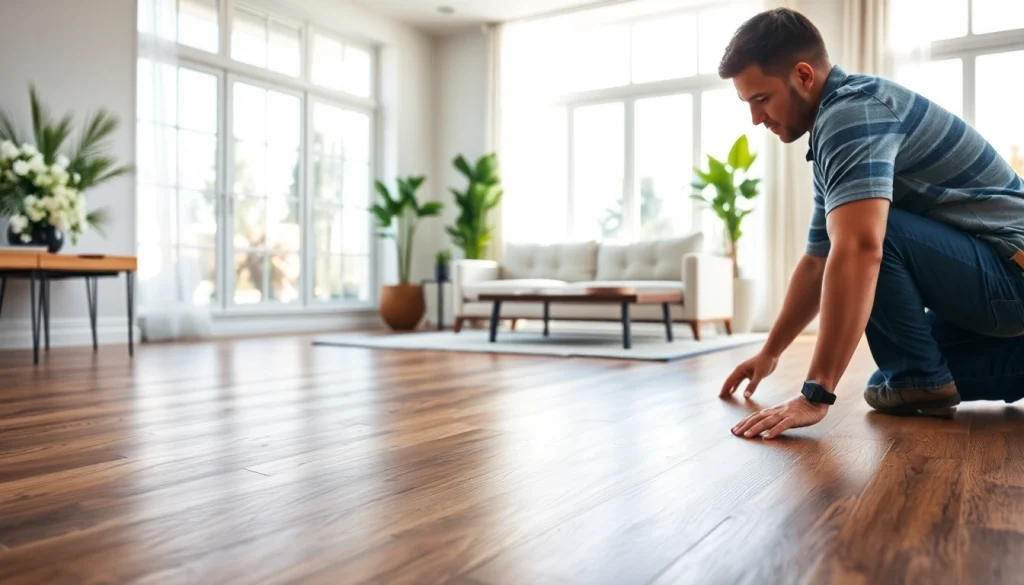
Understanding Vinyl Flooring: A Comprehensive Overview
What is Vinyl Flooring?
Vinyl flooring is a synthetic surface crafted primarily from polyvinyl chloride (PVC) and other materials that provide durability, flexibility, and cost-effectiveness. Its unique composition allows it to mimic the appearance of natural materials like wood and stone while providing practical benefits such as ease of maintenance and waterproof features. This combination makes vinyl flooring a common choice for residential and commercial spaces alike.
Types of Vinyl Flooring Options
There are several types of vinyl flooring available, each catering to different needs:
- Vinyl Sheets: Large, continuous rolls of vinyl flooring that can cover an entire room seamlessly. Ideal for areas prone to moisture.
- Vinyl Planks: Designed for easy installation and resembling hardwood planks. Available in various styles and finishes.
- Vinyl Tiles: Square pieces that mimic ceramic or stone tiles. Versatile and can be arranged in numerous patterns.
- Luxury Vinyl Plank (LVP): A premium version of vinyl planks, often featuring advanced backing layers and enhanced visual textures.
Advantages of Choosing Vinyl Flooring
Vinyl flooring offers numerous advantages, making it a popular option amongst homeowners and designers:
- Durability: Resistant to scratches, dents, and stains—perfect for high-traffic areas.
- Water Resistance: Many vinyl options are waterproof, ensuring longevity even in humid environments.
- Comfort: Softer and warmer underfoot compared to hard surfaces, making it comfortable for prolonged standing.
- Cost-Effective: Generally more affordable than hardwood or stone, vinyl flooring provides exceptional value.
- Easy Maintenance: Requires minimal upkeep, typically needing just a regular sweep and occasional mopping.
Key Considerations Before Installing Vinyl Flooring
Assessing Your Space for Vinyl Flooring
Before deciding to install vinyl flooring, assess the space where it will be laid. Consider factors such as existing flooring, room size, and moisture levels. Rooms like kitchens, bathrooms, and basements are perfect for vinyl due to its water-resistant qualities. Ensure the subfloor is level and in good condition to guarantee a smooth installation process.
Understanding Installation Methods
Vinyl flooring can be installed using several methods, including:
- Glue-Down: Adhesive is applied directly to the subfloor, offering stability, especially in large areas.
- Interlocking/Click Lock: Planks or tiles designed with edges that click together for easy DIY installation without glue.
- Loose Lay: Heavy vinyl tiles that can be laid down without adhesive, ideal for temporary or low-commitment applications.
Budgeting for Your Vinyl Flooring Project
When budgeting for vinyl flooring, consider not only the product cost but also installation fees, underlayment, and any necessary accessories like transition strips. Typically, vinyl flooring prices can range from $2 to $7 per square foot, and quality considerations will impact this range. It’s advisable to set aside an additional 15% for waste and mistakes, especially in complicated layouts.
How to Choose the Right Vinyl Flooring for Your Home
Matching Vinyl Flooring with Home Decor
When selecting vinyl flooring, ensure it complements your existing decor. For contemporary spaces, opt for sleek, modern designs, while rustic styles work well with textures that mimic reclaimed wood. Consider how the flooring choice will harmonize with furniture, wall colors, and overall aesthetics.
Factors to Consider: Style, Color, and Texture
Style, color, and texture are critical in making the right choice:
- Style: Decide between tile, plank, or sheet styles based on the room layout.
- Color: Lighter tones can make a space feel larger while darker shades add warmth and coziness.
- Texture: Textured surfaces can provide a more realistic look, particularly for wood or stone imitations.
Eco-Friendly Vinyl Flooring Options
Environmentally conscious consumers can find eco-friendly vinyl flooring products made with recycled materials and low volatile organic compounds (VOCs). Always look for certifications like FloorScore or GreenGuard to ensure safety and environmental sustainability.
Maintaining Your Vinyl Flooring: Tips and Tricks
Daily Care and Cleaning for Longevity
Daily maintenance of vinyl flooring is crucial for longevity. Regular sweeping or vacuuming can remove dirt and debris that may scratch the surface. For deeper cleaning, use a damp mop with a mild detergent designed for vinyl. Avoid harsh chemicals or abrasive scrubbers that could damage the floor’s finish.
Dealing with Scratches and Damage
The resilient nature of vinyl makes it relatively easy to manage scratches and damage. For minor scratches, a vinyl repair kit can effectively disguise imperfections. For more significant damage, consider replacing the affected tile or plank to preserve the overall appearance of your flooring.
Professional vs. DIY Maintenance
While routine cleaning can easily be handled by homeowners, professional maintenance may be necessary in cases of extensive damage or complex restoration. Consulting with experts can provide tailored solutions, ensuring your flooring remains in optimal condition throughout its lifespan.
Cost Analysis: Vinyl Flooring vs. Other Flooring Options
Comparative Cost of Different Flooring Types
When comparing the cost of vinyl flooring with other materials, it becomes evident why it is a favored option. Hardwood flooring can cost $5 to $15 per square foot, while luxury tile can range from $3 to $20. Vinyl flooring provides a budget-friendly alternative, often averaging between $2 to $7 without sacrificing quality.
Long-term Value of Vinyl Flooring
The durability and maintenance ease add layers to the long-term value of vinyl flooring. Its resistance to scratching and warping means fewer costs associated with repair or replacement compared to other flooring types that may require more frequent upkeep.
Return on Investment (ROI) for Vinyl Flooring Projects
Homeowners can expect a solid return on investment when installing vinyl flooring, as it increases property value and can appeal to potential buyers. A well-done vinyl flooring installation can offer a 50% ROI or more, particularly in competitive real estate markets.
FAQs
What is vinyl flooring made from?
Vinyl flooring is made from synthetic materials, primarily polyvinyl chloride (PVC), combined with fibrous materials for overall strength.
Can vinyl flooring be installed over existing floors?
Yes, vinyl flooring can typically be installed over existing floors, provided they are level and in good condition.
Is vinyl flooring waterproof?
Vinyl flooring is generally water-resistant and can withstand spills, making it suitable for kitchens and bathrooms.
How long does vinyl flooring last?
With proper care, vinyl flooring can last anywhere from 10 to 25 years, depending on the quality and installation.
Can I clean vinyl flooring with a steam mop?
It’s best to avoid steam mops as the high heat can damage the vinyl; use a damp mop with mild detergent for cleaning.