
Key Strategies for Effective Construction Site Safety Management
Understanding Construction Site Safety
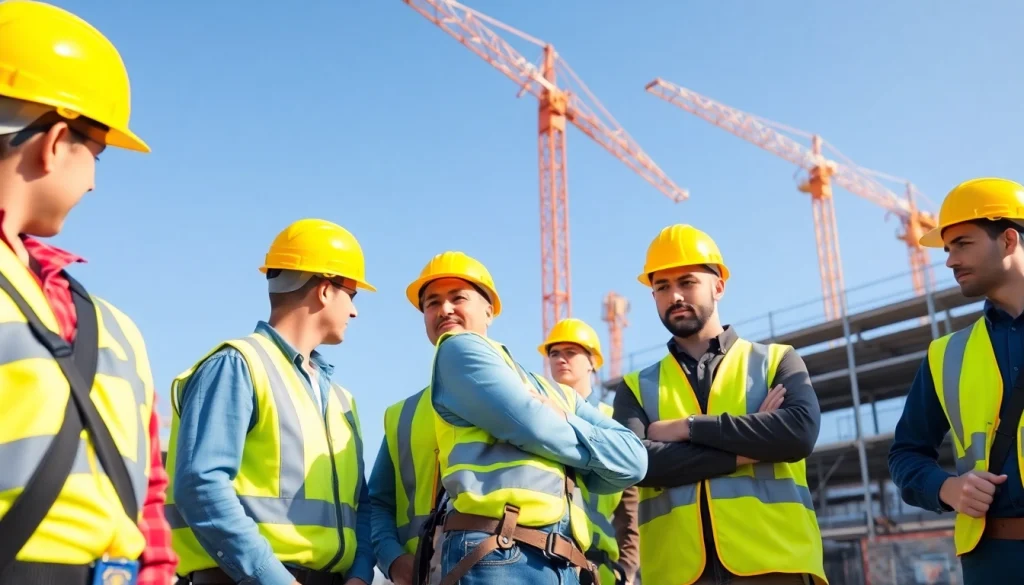
Construction sites are often bustling environments filled with heavy machinery, raw materials, and workers engaged in a variety of tasks. Ensuring safety on these sites is not just a regulatory requirement but a moral obligation to protect workers, prevent accidents, and foster a positive workplace culture. This begins with an understanding of construction site safety, which involves recognizing the inherent risks and implementing systematic solutions to mitigate these hazards. In this article, we delve into the critical aspects of construction site safety, providing a framework that can be utilized by industry professionals to enhance safety measures and practices.
Importance of Construction Site Safety
Construction site safety is paramount for several reasons:
- Life Preservation: The most critical reason for prioritizing safety is to protect the lives of workers. Accidents can lead to severe injuries, fatalities, and debilitating conditions.
- Compliance with Regulations: Government regulations impose strict safety standards that construction companies must adhere to. Non-compliance can lead to legal repercussions and financial penalties.
- Enhancing Productivity: A safe working environment boosts worker morale and productivity. When employees feel secure, they can focus on their tasks without fear of accidents.
- Reducing Costs: Safety measures may seem like an expense, but they lead to lower insurance premiums, reduced accident-related costs, and less downtime.
- Building Reputation: Companies that prioritize safety build a solid reputation, attracting top talent, clients, and projects that align with their values.
Common Hazards on Construction Sites
Various hazards are common in construction environments. Understanding these can help companies implement appropriate safety measures:
- Falls: Workers can fall from heights, leading to serious injuries or fatalities. Proper guarding and training are essential.
- Scaffolding Failures: Improperly erected scaffolding poses significant risks. Regular inspections and adherence to construction protocols can mitigate risks.
- Moving Machinery: Equipment like cranes and forklifts can cause severe accidents if not operated following safety regulations. Training is essential here.
- Electrical Hazards: Construction sites have numerous electrical sources. Ensuring safety protocols can prevent electrocution and fire.
- Noise: Exposure to loud machinery can lead to hearing loss. Employers should provide adequate hearing protection solutions.
- Exposure to Hazardous Materials: Construction sites may involve substances such as asbestos or lead, which require protective measures.
Regulatory Requirements for Safety
Construction safety is guided by a combination of federal, state, and local regulations. The Occupational Safety and Health Administration (OSHA) sets the fundamental framework that shapes workplace safety. Key regulations include:
- OSHA 1926: This regulation outlines the safety and health standards in the construction industry, covering a vast range of topics from scaffolding to hazardous materials.
- Personal Protective Equipment (PPE): Employers must provide necessary PPE and ensure it is used consistently across the site.
- Fall Protection Standards: These are specifically tailored to ensure workers are protected from falls, detailing the required measures when working at heights.
Companies must regularly review their practices to ensure compliance with the latest regulations, as failing to do so can result in significant liabilities and risks to workers.
Developing a Comprehensive Safety Plan
A well-crafted safety plan acts as the foundation for ongoing safety improvements and the management of risks on construction sites. It requires careful planning, effective communication, and diligent implementation. Here are the essential components of a comprehensive safety plan:
Components of a Safety Plan
A robust safety plan should include the following components:
- Policy Statement: This articulates the company’s commitment to upholding safety standards and ensuring that the health and well-being of all employees is a priority.
- Roles and Responsibilities: Clearly define the responsibility of each employee in maintaining safety protocols, including site managers, workers, and safety officers.
- Safety Procedures: Establish step-by-step processes that should be followed to maintain safety, from the use of machinery to first-aid responses.
- Incident Reporting: Define a procedure for reporting incidents and near misses to foster transparency and facilitate improvement.
- Regular Review and Revisions: The safety plan should evolve based on new risks, incidents, regulatory changes, and technological advancements.
Conducting Risk Assessments
A proactive approach to safety involves regularly conducting risk assessments. This process helps identify potential hazards and assess their associated risks. Steps to conduct effective risk assessments include:
- Identify Hazards: Walk through the site to identify potential hazards associated with tasks, equipment, and work environments.
- Evaluate Risks: Assess the likelihood and impact of each hazard, categorizing them based on severity to prioritize safety interventions.
- Implement Controls: Develop and implement measures to eliminate or minimize identified risks, such as enhancing training or upgrading safety equipment.
- Review and Monitor: Continuously monitor the efficacy of implemented controls and adjust as necessary to ensure ongoing safety compliance.
Creating Emergency Response Procedures
No matter how vigilant a company is about safety, emergencies can still occur. Preparing for these situations through well-structured emergency response procedures is crucial. Essential elements to include are:
- Emergency Contacts: Keep a list of emergency contacts, including local emergency services, poison control, and internal safety personnel.
- Evacuation Plans: Clearly outlined and practiced evacuation routes should be established for different types of emergencies.
- First-Aid Protocols: Access to first-aid kits and trained personnel should be readily available on-site; regular training helps ensure preparedness.
- Communication Plans: Develop systems for alerting workers in the event of an emergency, ensuring everyone knows their roles and responsibilities during the situation.
Training and Educating Workers
Even with comprehensive safety plans, effective training and education are paramount to ensuring workers adhere to safety protocols. A commitment to continuous learning enhances overall job site safety.
Regular Safety Training Programs
Regular training programs should be tailored to address the specific hazards present on a site. Key components of a training program include:
- Hands-On Training: Workers benefit from practical instruction on the use of tools, machinery, and safety equipment.
- Workshops: Regular workshops can enhance skills, teaching workers about emerging safety technologies and evolving regulations.
- Refresher Training: Schedule periodic refresher courses to keep current employees abreast of safety practices and any new regulations.
Induction Training for New Employees
New employees should undergo a comprehensive induction training designed to familiarize them with the site-specific safety protocols. Key aspects of this training should include:
- Overview of the Safety Policy: Ensure that new hires understand the company’s commitment to safety.
- Site Orientation: Provide a guided tour of the construction site to identify hazards and safety resources.
- Emergency Procedure Familiarization: Teach new employees about emergency evacuation routes and emergency contact information.
Utilizing Safety Signage and Instructions
Visual communication is vital in a construction setting where spoken communication may be impaired by noise or chaos. Effective safety signage should feature:
- Clear and Concise Messages: Signs should deliver straightforward messages that convey essential safety information at a glance.
- Use of Icons: Implementing universally recognized symbols can help instantly communicate safety protocols.
- Regular Inspections: Signage should be routinely checked to ensure visibility and clarity, replacing outdated signs as necessary.
Implementing Safety Equipment and Technology
A modern construction site must leverage technology and equipment that enhance safety measures. This section discusses selecting appropriate personal protective equipment (PPE) and integrating advanced technologies.
Choosing Appropriate Personal Protective Equipment
PPE is critical in protecting construction workers from hazards. When choosing PPE, consider the following factors:
- Task Specificity: Different tasks require different PPE—hard hats for overhead work, high-visibility vests for roadwork, etc.
- Comfort and Fit: Properly fitting equipment is vital for both protection and compliance; ill-fitting gear can pose additional safety risks.
- Quality Standards: Seek equipment that meets or exceeds relevant safety standards, ensuring durability and reliability.
Integrating Technology for Site Safety
Technology offers innovative solutions to improve safety on construction sites. Key advancements include:
- Wearable Technology: Devices that track worker location and vitals can provide immediate alerts in case of emergencies.
- Drones: Used for site inspection and monitoring, drones can identify hazards in areas difficult for workers to access.
- Safety Management Software: Platforms that centralize safety management allow for better tracking of incidents, training records, and compliance documentation.
Maintenance and Inspection Protocols
Regular maintenance and inspections of equipment and safety measures are essential to ensure ongoing safety. Key strategies include:
- Routine Equipment Checks: Develop a schedule for regular checks and maintenance of all machinery and equipment.
- Site Inspections: Frequent inspections to identify safety hazards or lapses in procedure must be standard practice.
- Documentation: Keep detailed records of inspections and maintenance to ensure compliance and accountability.
Monitoring and Improving Safety Practices
Continuous monitoring and improvement of safety practices are vital to adapt to evolving industry standards and reduce incidents on sites.
Collecting and Analyzing Incident Data
Data collection on incidents is instrumental in understanding weaknesses within safety practices. Effective strategies include:
- Detailed Incident Reports: Encourage reporting of all accidents, near misses, and unsafe conditions to build a comprehensive database.
- Data Analysis: Regularly analyze incident data to identify trends and areas for improvement, enabling targeted interventions.
- Feedback Mechanisms: Implement feedback channels allowing workers to share their experiences regarding safety practices.
Evaluating Effectiveness of Safety Measures
Routine evaluations of safety measures help ensure their ongoing relevance and effectiveness. Key evaluation strategies include:
- Performance Metrics: Establish metrics, such as incident rates and training completion rates, to measure safety performance.
- Conduct Audits: Regular audits can provide an objective overview of safety adherence and effectiveness.
- Soliciting Worker Feedback: Regular feedback from workers helps gauge the effectiveness of safety measures from those they impact most directly.
Encouraging a Culture of Safety
Ultimately, fostering a culture of safety is key to ensuring construction workplace safety. This cultural shift can be reinforced through:
- Leadership Commitment: Leadership must visibly endorse and participate in safety initiatives to inspire commitment at every level.
- Employee Involvement: Empower employees to take charge of their safety by involving them in safety discussions, committees, and training.
- Recognition Programs: Celebrate safety milestones and recognize individuals or teams who significantly contribute to enhancing safety.
Frequently Asked Questions
1. What are the most common construction site hazards?
Common hazards include falls, scaffold issues, moving machinery accidents, electrical risks, noise exposure, and hazardous materials.
2. How often should safety training be conducted?
Regular training should occur at least annually, with additional training provided for new hires, after incidents, or when new procedures are adopted.
3. Why is PPE important on construction sites?
PPE protects workers from injuries or illnesses resulting from hazardous conditions, ensuring their safety while performing various tasks.
4. What is the role of technology in construction safety?
Technology enhances safety through tracking systems, real-time monitoring, and safety management software, streamlining safety protocols.
5. How can I improve safety culture at my construction site?
Promote leadership involvement, encourage employee feedback, recognize safety achievements, and regularly assess and refine safety practices.