Understanding Track Inspection
What is Track Inspection?
Track Inspection refers to the systematic examination of railway tracks to ensure their integrity, safety, and operational efficiency. This critical process involves assessing the physical condition of the rails, ties, and surrounding infrastructure to detect any potential flaws or deterioration that could affect railway operations. Effective Track Inspection methods enable rail operators to maintain high safety standards and minimize risks of derailments or accidents.
The Importance of Regular Inspections
Regular track inspections play a pivotal role in maintaining the overall safety and efficiency of railway systems. The frequency of these inspections is crucial as it helps identify wear and tear or any anomalies that might arise due to environmental factors, operational loads, or material fatigue. In many regions, regulations mandate specific inspection intervals to safeguard passenger and freight transport. Moreover, identifying issues early can prevent costly repairs and disruptions in service.
Key Components of Track Inspections
Track inspections encompass several key components, including:
- Rail Condition: Inspectors look for signs of wear, cracks, or misalignment in the rails.
- Ties and Ballast: The condition of wooden or concrete ties and the stability of ballast are critical to track integrity.
- Signals and Signage: Inspecting the functionality of signals and the visibility of signs is essential for safe operation.
- Drainage Systems: Efficient drainage prevents water accumulation, which can lead to track deformation.
Methods of Track Inspection
Visual Inspections
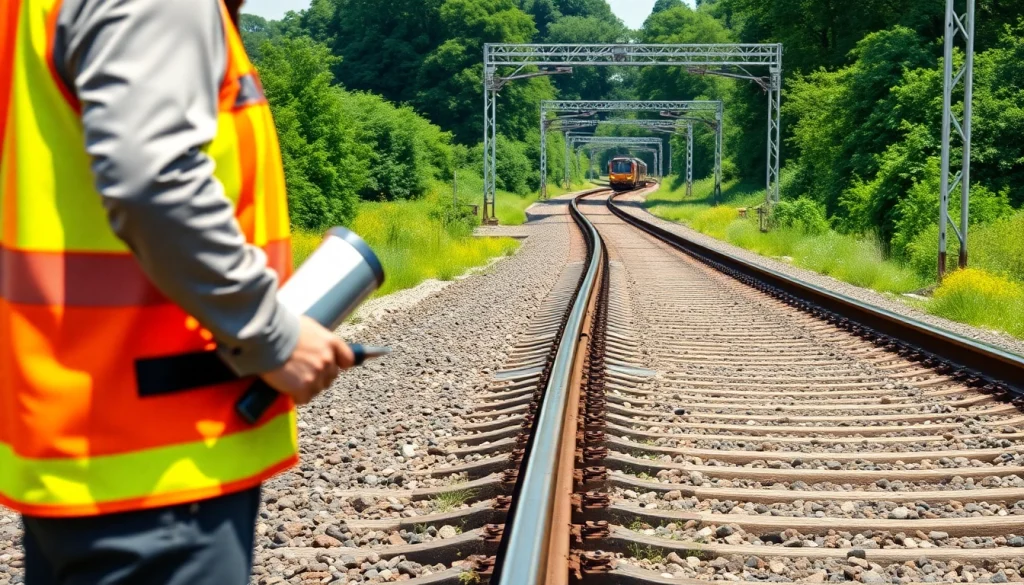
Visual inspections are the traditional method of assessing track conditions. Trained inspectors walk the railway lines, using their expertise to identify visible defects. This method allows for a first-hand examination of track components, but it is subject to human error and may not detect underlying issues not visible to the naked eye.
Use of Technology in Track Inspection
Technological advancements have significantly enhanced track inspection practices. Non-destructive testing (NDT) methods such as ultrasonic testing, electromagnetic induction, and remote sensing technologies are now commonly used. Drones equipped with cameras and scanning devices provide aerial views of tracks, enabling inspectors to gather data more efficiently and accurately.
Manual vs Automated Methods
While manual methods of track inspection are still prevalent, automated systems are gaining traction. Automated systems, such as track geometry cars, measure track conditions while in motion, collecting vast amounts of data that can be analyzed to identify trends and issues more effectively. Balancing manual and automated inspections allows for a comprehensive approach to track safety.
Common Challenges in Track Inspection
Weather Impacts on Inspections
Weather conditions can significantly affect track inspection. Rain, snow, and extreme temperatures can obscure visibility or create hazardous conditions for inspectors. Additionally, moisture can cause track components to rust and degrade, complicating assessments and repair schedules. Implementing flexible inspection schedules can help accommodate weather limitations.
Human Error Factors
Despite rigorous training, human error can occur during inspections, leading to missed defects or misinterpretations of track conditions. Continuous education, use of checklists, and peer reviews can mitigate these risks by reinforcing best practices and ensuring a thorough evaluation process.
Environmental Considerations
Environmental factors such as vegetation overgrowth, wildlife activity, and soil conditions can impact track integrity and safety. Inspectors must consider these elements when assessing track conditions and recommend appropriate maintenance to avoid potential hazards such as earth erosion or fallen trees.
Best Practices for Effective Track Inspection
Inspection Schedules and Frequency
Establishing a robust schedule for track inspections is vital. Factors like traffic volumes, environmental conditions, and historical data should influence how often inspections occur. Regular inspections, coupled with a responsive maintenance plan, ensure any identified issues are managed promptly and appropriately.
Using Data for Improved Inspections
Leveraging data analytics allows rail operators to prioritize track segments for inspection based on usage patterns and historical maintenance records. By analyzing this data, companies can enhance resource allocation, focusing efforts where they are most needed, thus improving overall safety and efficiency.
Staff Training and Safety Protocols
Ongoing training programs are essential for track inspection personnel. Equip staff with the latest knowledge about safety protocols, inspection techniques, and use of new technologies. A culture of safety and diligence reduces the likelihood of accidents and enhances the quality of inspections.
FAQs About Track Inspection
What is the frequency of track inspections?
Track inspection frequency varies based on usage, environmental factors, and regulatory requirements, typically occurring weekly to monthly in high-traffic areas.
How does technology improve track inspection?
Technology enhances track inspection through more accurate data collection and analysis, allowing for faster identification of defects and better maintenance planning.
What are the risks of inadequate track inspections?
Inadequate inspections can lead to track failures, causing derailments, accidents, and operational interruptions, affecting both safety and service reliability.
Can weather affect track inspections?
Yes, severe weather can obscure visibility and create unsafe conditions, necessitating adjustments to inspection schedules and methods to ensure thorough evaluations.
What qualifications do inspectors need?
Inspectors typically require relevant certifications and training, including knowledge of track components, inspection methods, and safety protocols to ensure effective evaluations.