
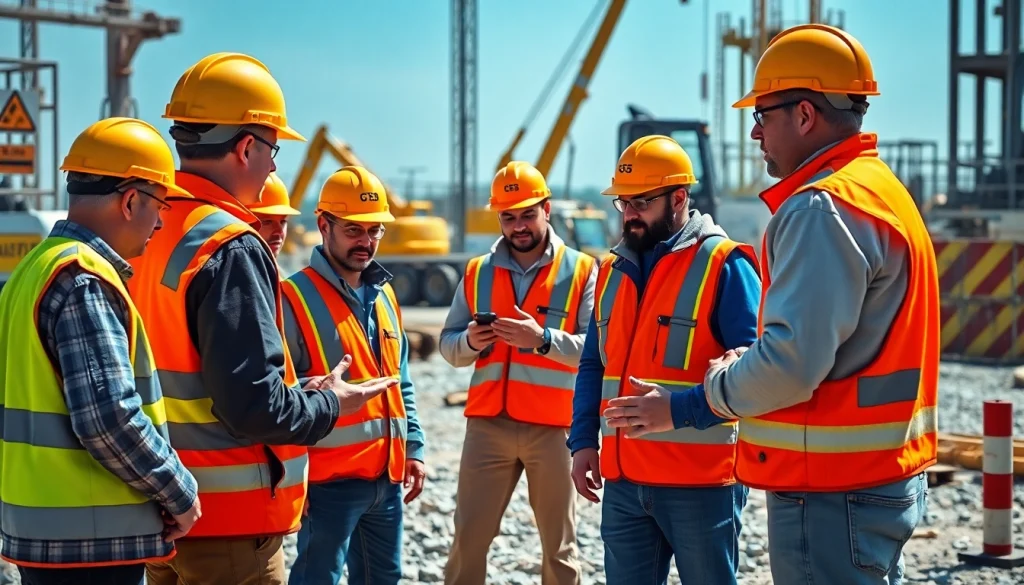
Understanding the Importance of Construction Safety Training
In the construction industry, safety is of paramount importance. Every day, workers face a range of hazards, from heavy machinery to falling objects. Effective construction safety training is essential for minimizing these risks and ensuring a safe work environment. Not only does proper training protect the lives of workers, but it also enhances productivity and ensures compliance with regulations. Understanding the significance of this training can lead to safer work practices and a culture of safety on job sites.
Defining Construction Safety Training
Construction safety training refers to a systematic approach to educate workers about safety protocols, hazard recognition, and risk management in construction environments. It equips employees with the knowledge and skills necessary to identify potential dangers and mitigate risks associated with their duties. This training encompasses a variety of topics, including the use of personal protective equipment (PPE), safe operation of machinery, hazard communication, and emergency response procedures.
Legal Requirements and Compliance
Construction safety training is not just a best practice; it is often mandated by law. Regulatory bodies such as the Occupational Safety and Health Administration (OSHA) stipulate specific requirements for safety training in construction. Employers are obligated to provide training that promotes safety and compliance to avoid legal ramifications and hefty fines. Proper documentation and regular audits of training programs are necessary to ensure compliance with local laws and regulations.
The Role of Safety Culture in Construction
A strong safety culture within a construction company can dramatically reduce the incidence of accidents and injuries. This culture is built on shared values and attitudes towards safety, supported by effective communication and a commitment to training. When employees feel empowered to voice safety concerns and are encouraged to participate in training, they are more likely to adhere to safety protocols. Integral to this culture is leadership commitment; management must lead by example, demonstrating the importance of safety through their actions and policies.
Key Elements of Effective Construction Safety Training
Interactive Learning Techniques
Effective construction safety training goes beyond lectures and handouts. Interactive learning techniques engage workers and improve retention of information. Activities such as group discussions, simulations, and hands-on demonstrations allow trainees to practice skills in a safe environment. Engaging employees in this manner fosters a deeper understanding of safety principles, encouraging them to apply what they’ve learned on the job. Incorporating quizzes and activities can also break the monotony and enhance learning experiences.
Utilizing Real-life Scenarios
Using real-life scenarios in training programs allows employees to relate safety training to their daily work experiences. Case studies and incident analyses can highlight the importance of following safety protocols and the consequences of neglecting them. By analyzing actual incidents, workers can gain insight into how accidents happen and learn strategies to prevent similar occurrences in the future. This approach not only makes training more relevant but also stimulates critical thinking and problem-solving skills.
Continuous Education and Certification
The landscape of construction safety is constantly changing, with new technologies, tools, and regulations emerging regularly. Therefore, continuous education is essential to keep workers informed about the latest safety practices and compliance requirements. Offering opportunities for certification provides tangible proof of a worker’s knowledge and skills, which can enhance career prospects. Periodic refresher courses and updates on new legislation should be integral parts of any training program.
Common Challenges in Construction Safety Training
Employee Engagement Issues
One of the most significant challenges in construction safety training is maintaining employee engagement. Workers may view training as a checkbox exercise rather than an opportunity for skill development. To combat this, training should be made relevant and tailored to the specific needs and experiences of the workforce. Utilizing storytelling, interactive workshops, and opportunities for feedback can help enhance engagement levels among employees.
Overcoming Training Gaps
Training gaps often arise due to factors such as high employee turnover, varying levels of experience, and differing job roles. Addressing these gaps is crucial to ensure that all employees, regardless of their background or role, receive the necessary training to perform their duties safely. Tailoring training programs to address specific job functions and providing mentorship can help close these gaps. Regular assessments and feedback can aid in identifying and correcting training deficiencies.
Measuring Training Effectiveness
Measuring the effectiveness of training programs is essential for continuous improvement. To gauge effectiveness, companies can employ a variety of metrics, including pre- and post-training assessments, incident rates before and after training sessions, and employee feedback. Implementing this data-driven approach helps identify strengths and weaknesses in training programs, allowing for strategic adjustments to enhance overall safety outcomes.
Implementing Successful Training Programs
Creating a Structured Training Plan
A structured training plan is vital for implementing effective construction safety training. The plan should outline objectives, target audiences, training methods, and evaluation criteria. Involving key stakeholders and subject-matter experts in the development of the training curriculum can enhance its credibility and relevance. Furthermore, scheduling regular training sessions, coupled with an onboarding process for new employees, ensures continuous safety education across the organization.
Utilizing Technology for Training
Technology has transformed the landscape of construction safety training. Utilizing tools like e-learning platforms, mobile apps, and virtual reality simulators can provide an engaging learning experience. These tools enable trainers to deliver content more dynamically and allow workers to participate in training sessions remotely. Technology also facilitates tracking of employee progress and assessment completion, streamlining the management of training records.
Feedback and Improvement Strategies
Continuous feedback is crucial for improving safety training programs. Encouraging open dialogue between trainers and trainees helps gather insights into the training experience. Exit surveys, suggestion boxes, and follow-up discussions can illuminate areas for enhancement. Additionally, establishing a culture of safety reporting, where employees feel comfortable sharing potential hazards or near-misses, reinforces the overall goal of workplace safety.
Future Trends in Construction Safety Training
Incorporating Virtual Reality Tools
The use of virtual reality (VR) in construction safety training is an exciting trend, allowing workers to experience realistic simulations of hazardous scenarios without actual risk. VR can help familiarize employees with equipment and procedures, enhancing their preparedness for real-world situations. As VR technology continues to evolve and become more affordable, its adoption in training programs is expected to grow, making learning more immersive and impactful.
Emerging Best Practices
As the construction industry evolves, so do the best practices for safety training. Emerging best practices include integrating soft skills training, such as communication and teamwork, into safety programs. Emphasizing the importance of mental health and well-being is also gaining traction, recognizing that mental fitness plays a crucial role in worker safety. Furthermore, the trend towards personalized training experiences that cater to individual learning styles is becoming increasingly prevalent.
Adapting to Industry Changes
The construction industry is subject to rapid changes driven by technology, regulations, and best practices. Adapting safety training programs to reflect these changes is vital for ensuring ongoing compliance and effectiveness. Organizations must remain agile, continually updating training content and delivery methods to incorporate the latest industry standards. This adaptability fosters a proactive safety mindset among employees, better preparing them for the evolving demands of the industry.
Frequently Asked Questions
What is the primary goal of construction safety training?
The main goal is to ensure that workers understand safety procedures and hazards, reducing the risk of accidents.
How often should construction safety training occur?
Training should occur regularly, ideally once a year, with additional sessions for new procedures or equipment.
Are there specific regulations for construction safety training?
Yes, regulations vary by location, but most require compliance with OSHA standards and other local laws.
What types of training methods are most effective?
Interactive methods, hands-on practice, and real-life scenario training have proven to be very effective.
How can the effectiveness of training be measured?
Effectiveness can be gauged through assessments, employee feedback, and monitoring incident rates before and after training.