

Understanding anxiety symptoms is essential for maintaining emotional health and improving quality of life. Anxiety is a natural response to stress, but when it becomes persistent or overwhelming, it can interfere with daily functioning. Recognizing the signs early can help individuals seek support, adopt coping strategies, and improve overall well-being. In this article, we will explore Anxiety symptoms in depth, using practical daily examples, to make them easy to understand and identify.
What Are Anxiety Symptoms?
Anxiety symptoms are physical, emotional, and behavioral signals that indicate your mind and body are experiencing heightened stress or worry. These symptoms can vary in intensity and may appear in different areas of life, such as work, school, or personal relationships. It is important to distinguish normal stress from anxiety that may require attention.
Common Physical Anxiety Symptoms
Physical anxiety symptoms often manifest in ways that affect the body’s nervous system. Recognizing these signs can help you identify when anxiety is influencing your daily life.
1. Rapid Heartbeat or Palpitations
A racing heart is a common anxiety symptom. For example, you might feel your heart pounding when preparing for a school presentation or a job interview, even if you are sitting quietly at home.
2. Muscle Tension
Tense shoulders, neck stiffness, or jaw clenching are typical physical manifestations. Imagine carrying a heavy backpack all day without realizing it—your body is alert, and the tension builds gradually.
3. Shortness of Breath
Many people experience shallow or fast breathing during anxious moments. For instance, you may feel slightly out of breath before making an important phone call or attending a crowded event.
4. Gastrointestinal Discomfort
Upset stomach, nausea, or frequent trips to the bathroom can also signal anxiety. Consider feeling “butterflies” before a test or when facing an unexpected challenge—this is your body reacting to perceived stress.
5. Fatigue
Persistent anxiety can be exhausting. Even simple daily tasks, like cooking or commuting, may feel draining because your body is constantly on high alert.
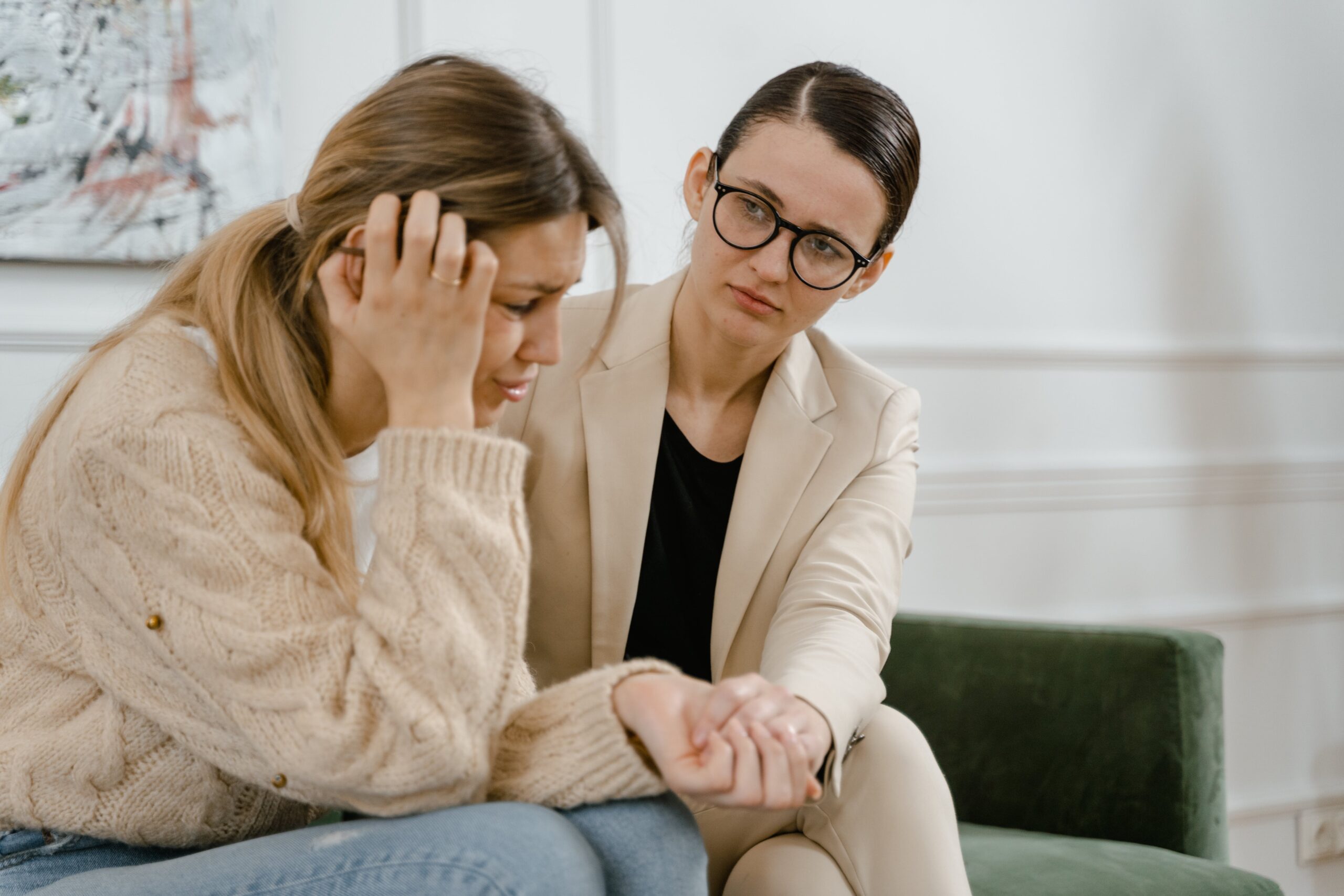
Emotional Anxiety Symptoms
Emotions are often the first indicator of anxiety. Emotional anxiety symptoms can be subtle but affect your overall mood and decision-making.
1. Excessive Worry
A person might worry about minor events, such as forgetting a homework assignment, for hours or even days. This type of worry is more intense and longer-lasting than typical stress.
2. Irritability
Anxious individuals often become easily frustrated or impatient. For example, snapping at a friend over a small mistake or becoming irritated by traffic delays may indicate underlying anxiety.
3. Restlessness
Feeling restless or unable to relax is a common emotional symptom. Picture tapping your foot during a meeting or pacing while thinking about upcoming responsibilities—your mind and body are struggling to calm down.
4. Feeling Overwhelmed
Even routine tasks, like grocery shopping or completing household chores, may feel impossible when anxiety is high. This sense of being overwhelmed can affect productivity and emotional stability.
Cognitive Anxiety Symptoms
Anxiety also affects thinking patterns. Recognizing these mental changes is crucial for early intervention.
1. Difficulty Concentrating
Anxiety can make it hard to focus. For instance, reading a textbook or listening to a lecture may feel challenging because intrusive thoughts keep distracting you.
2. Racing Thoughts
Your mind may jump from one worry to another without pause. Imagine thinking about a missed email, then worrying about your health, then replaying past mistakes—all in a short period.
3. Negative Thinking Patterns
Chronic anxiety often leads to negative self-talk. Statements like “I can’t handle this” or “Something bad will happen” are common cognitive anxiety symptoms.
4. Memory Lapses
Even minor forgetfulness, such as losing your keys or forgetting a meeting, can be a result of heightened anxiety, as your brain is preoccupied with constant worry.
Behavioral Anxiety Symptoms
Anxiety often affects how people act in daily life. Recognizing these behavioral changes can provide insight into your emotional state.
1. Avoidance
Avoiding situations that trigger anxiety is common. For example, someone may skip social gatherings, postpone tasks, or avoid speaking in public due to fear or discomfort.
2. Repetitive Actions
Anxious individuals may develop repetitive behaviors, such as checking emails multiple times or washing hands frequently, as a way to manage stress.
3. Changes in Sleep Patterns
Insomnia, frequent waking, or oversleeping can indicate anxiety. For instance, lying awake at night thinking about the next day’s challenges is a typical sign.
4. Social Withdrawal
Anxiety can lead to isolation. A person might decline invitations, reduce contact with friends, or avoid family interactions, even if they enjoy socializing.
Practical Daily Examples of Anxiety Symptoms
Understanding anxiety symptoms is easier when we connect them to real-life experiences.
Morning Routine Example
You wake up and immediately feel your heart racing, muscles tense, and stomach uneasy because you are thinking about the day’s responsibilities. Making breakfast feels like a chore, and leaving the house seems stressful. These are physical, emotional, and behavioral symptoms combined.
School or Work Scenario
During a test or important meeting, your mind races with worst-case scenarios. You may fidget, tap your pen, or struggle to concentrate. The fear of failure or making mistakes heightens anxiety symptoms and can affect performance.
Social Interaction Example
Meeting new people or attending a party may trigger rapid heartbeat, sweaty palms, and self-doubt. You may avoid eye contact, speak less, or plan excuses to leave early, illustrating emotional and behavioral anxiety symptoms.
Health-Related Anxiety Example
Waiting for medical test results can trigger constant worry, sleepless nights, and physical tension. Even minor bodily sensations, like a headache or stomach discomfort, may be perceived as serious illness.
How to Manage Anxiety Symptoms in Daily Life
Managing anxiety requires practical strategies that can be applied every day.
1. Breathing and Relaxation Techniques
Deep breathing exercises, progressive muscle relaxation, or guided meditation can calm both mind and body. Practicing for 5–10 minutes daily reduces physical anxiety symptoms.
2. Structured Routine
Maintaining a daily schedule can provide stability and reduce uncertainty. Plan tasks, allocate breaks, and set realistic goals to manage anxiety more effectively.
3. Physical Activity
Regular exercise, like walking, yoga, or cycling, helps release tension and improves mood. Even short bursts of activity during the day can alleviate symptoms.
4. Journaling
Writing down worries and emotions helps externalize anxious thoughts. Journaling daily can provide perspective and reduce mental clutter.
5. Mindful Awareness
Mindfulness practices encourage focusing on the present moment, reducing racing thoughts and rumination. Paying attention to sights, sounds, and sensations anchors the mind.
6. Seeking Support
Talking to a trusted friend, family member, or mental health professional can provide guidance, reduce isolation, and offer coping strategies tailored to individual needs.
Recognizing When Anxiety Needs Professional Help
While mild anxiety is normal, persistent and overwhelming anxiety symptoms may require professional intervention. Signs include:
- Anxiety interfering with daily tasks and responsibilities
- Frequent panic attacks or intense fear
- Chronic sleep disturbances
- Persistent negative thoughts affecting self-esteem
- Avoidance of social or professional activities
Mental health professionals can provide therapy, lifestyle guidance, and, if necessary, medication to manage symptoms effectively.
Conclusion
Recognizing and understanding anxiety symptoms is the first step toward better emotional health. By observing physical, emotional, cognitive, and behavioral signs in daily life, individuals can respond proactively. Practical strategies such as mindfulness, exercise, structured routines, and seeking support can significantly reduce the impact of anxiety. Early recognition and consistent management empower individuals to regain control over their lives, improving overall well-being and personal development. Go back to the homepage to find fresh ideas and trending topics.
FAQs
What are the most common anxiety symptoms in daily life?
Common anxiety symptoms include rapid heartbeat, muscle tension, restlessness, excessive worry, difficulty concentrating, and avoidance behaviors. These signs can appear in routine situations like school, work, or social interactions.
How can I differentiate normal worry from anxiety symptoms?
Normal worry is temporary and situation-specific, whereas anxiety symptoms persist, affect daily functioning, and may include physical discomfort, racing thoughts, and avoidance of regular activities.
What daily practices can help manage anxiety symptoms effectively?
Daily practices like deep breathing, mindfulness, regular exercise, structured routines, journaling, and seeking support from friends or professionals can help manage anxiety symptoms safely and effectively.