
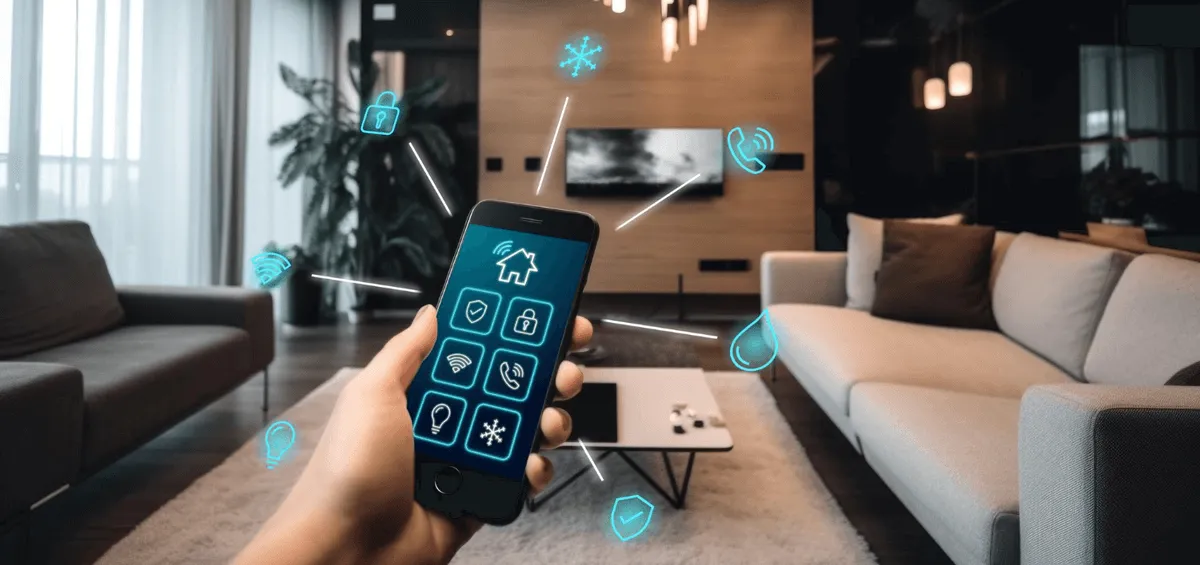
The modern Smart Home has transformed the way people live, making daily routines more efficient, comfortable, and secure. From automated lighting to intelligent climate control, smart home technology integrates seamlessly into everyday life, offering convenience, energy savings, and peace of mind. Beyond basic automation, these systems create an interconnected environment where devices communicate, learn, and adapt to user behaviors, bringing tangible benefits to households of all sizes and lifestyles.
Understanding Smart Home Technology
Smart home technology encompasses devices, sensors, and systems designed to automate, monitor, and control household functions. Unlike traditional appliances, these devices are interconnected and can respond intelligently to changes in the environment or user input.
The Core Components of a Smart Home
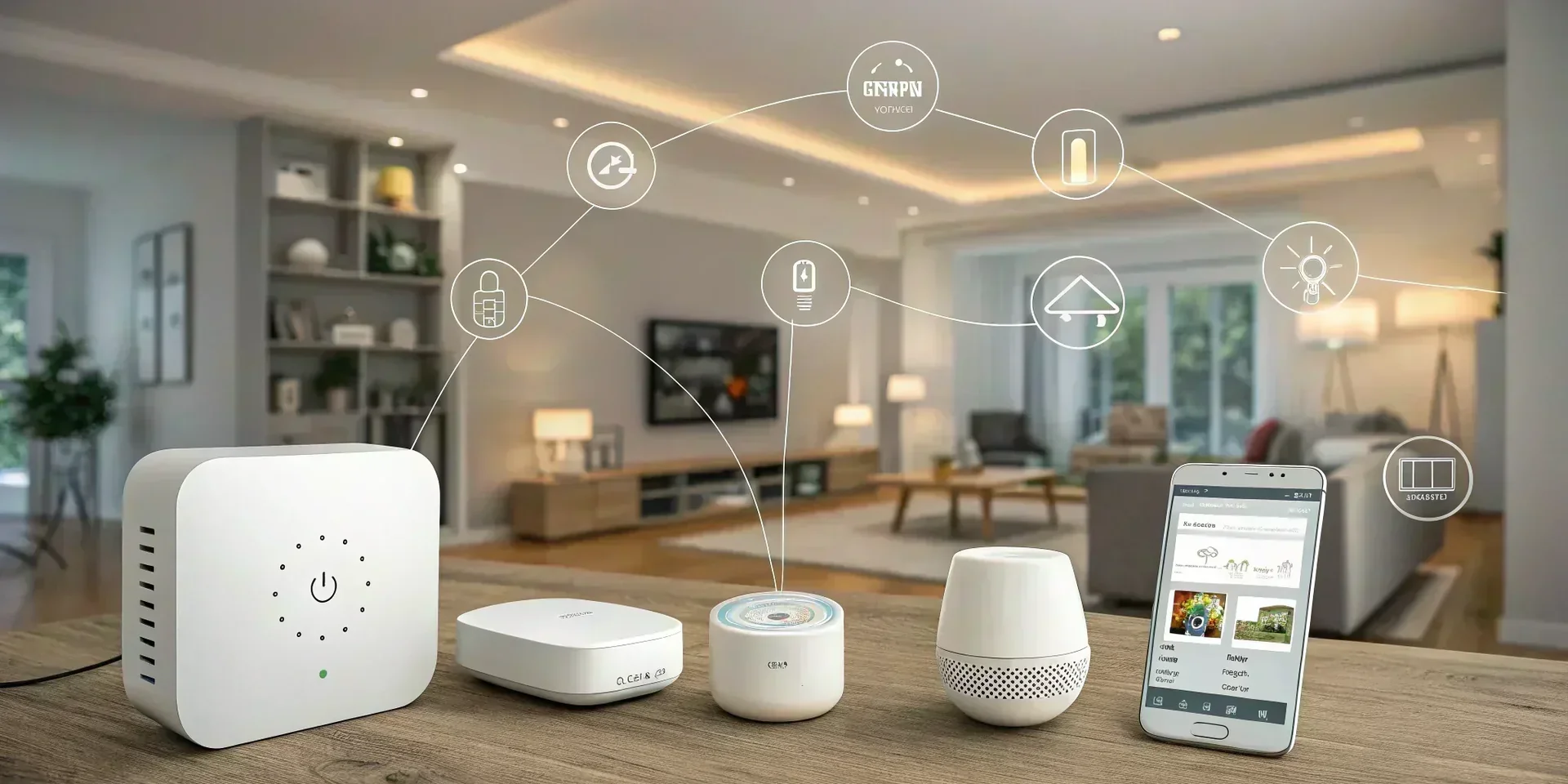
A fully functional smart home typically consists of several core components. These include smart lighting, thermostats, locks, cameras, appliances, voice assistants, and central control hubs. Together, these devices create a cohesive system that enhances convenience and efficiency.
How Devices Communicate
Smart home devices communicate through wireless protocols such as Wi-Fi, Zigbee, Z-Wave, or Bluetooth. This connectivity enables automation, remote control, and real-time alerts, allowing homeowners to manage their environment from anywhere.
The Role of Automation
Automation is a defining feature of smart home technology. Automated routines can adjust lighting, temperature, and security systems based on time of day, occupancy, or user preferences. This reduces manual intervention and improves overall household efficiency.
Enhancing Daily Convenience Through Smart Home Devices
Smart home technology simplifies many aspects of household life, providing a level of convenience that was previously unattainable.
Automated Lighting for Ease and Comfort
Smart lighting systems allow homeowners to schedule lights, adjust brightness, and control lighting remotely. Automation can simulate occupancy, reduce energy waste, and create the perfect ambiance for any activity.
Intelligent Climate Control
Smart thermostats learn household routines and adjust heating or cooling accordingly. This ensures comfort while reducing energy consumption, as systems operate efficiently based on real-time occupancy and weather conditions.
Voice-Controlled Assistance
Voice assistants enable hands-free operation of smart home devices. Users can control lights, appliances, music, and security systems using simple voice commands, making everyday tasks faster and more convenient.
Improving Home Security and Safety
One of the most impactful benefits of smart home technology is enhanced security and safety for households.
Smart Locks and Access Control
Smart locks provide remote control over doors, enabling homeowners to grant temporary access or monitor entry activity. This reduces the risk of unauthorized access and allows better management of guests or service providers.
Security Cameras and Motion Sensors
Connected cameras and motion sensors provide real-time monitoring, alerts, and recorded footage. Integration with other smart home devices ensures a coordinated response to potential threats, improving household security.
Environmental Sensors for Safety
Smart smoke detectors, carbon monoxide sensors, and water leak detectors protect the home from environmental hazards. These devices send instant alerts and can trigger automated responses, such as shutting off water or activating alarms, minimizing damage and ensuring safety.
Energy Efficiency and Cost Savings
Smart home technology contributes to reduced energy consumption, leading to lower utility bills and a smaller environmental footprint.
Optimized Heating and Cooling
Smart thermostats adjust temperature settings based on occupancy, usage patterns, and weather data. This optimization prevents unnecessary energy usage while maintaining comfort throughout the home.
Intelligent Lighting Management
Automated lighting and smart bulbs use energy efficiently by turning off when rooms are unoccupied or adjusting brightness according to natural light levels. This reduces waste and extends the lifespan of lighting fixtures.
Monitoring and Insights for Energy Use
Smart home systems provide detailed energy usage reports. Homeowners can track consumption patterns, identify areas for improvement, and make informed decisions to save money and resources.
Enhancing Household Entertainment and Leisure
Smart home technology transforms entertainment and leisure activities, providing seamless experiences throughout the household.
Multi-Room Audio and Video Integration
Connected speakers and media devices allow synchronized audio and video playback across multiple rooms. This creates an immersive environment for music, movies, or home gatherings.
Personalized Entertainment Experiences
Smart home systems learn user preferences and can automatically adjust settings for lighting, sound, and screen configurations. Personalized automation enhances convenience and enjoyment.
Voice and App Control for Media
Control media devices with voice commands or smartphone apps. This eliminates the need for multiple remotes, simplifying entertainment management and providing a cohesive user experience.
Supporting Health and Wellness
Smart home technology contributes to improved health and wellness for household members.
Air Quality Monitoring
Smart sensors monitor air quality, humidity, and temperature, providing real-time insights and automated adjustments. This ensures a healthier living environment and reduces the risk of respiratory issues.
Sleep Optimization
Smart lighting, climate control, and noise management systems support better sleep by adjusting conditions according to bedtime routines and individual preferences.
Remote Health Monitoring
For families with elderly members or those requiring care, smart home devices can monitor activity, send alerts, and track wellness metrics, enabling proactive health management.
Smart Kitchen and Appliance Integration
The kitchen is a major area of household activity where smart technology offers significant benefits.
Connected Kitchen Appliances
Smart ovens, refrigerators, and dishwashers provide remote monitoring, status updates, and automated functions. These devices reduce manual oversight, save time, and enhance efficiency in daily meal preparation.
Inventory and Meal Planning
Some smart refrigerators and kitchen systems track inventory, suggest recipes, and even create shopping lists. This simplifies meal planning and ensures households stay organized.
Energy-Saving Appliances
Smart appliances optimize energy usage based on operation schedules and demand. They contribute to household efficiency while reducing electricity costs.
Streamlined Household Management
Smart home technology simplifies overall household management by centralizing control and automating repetitive tasks.
Centralized Control Hubs
Hubs or apps allow homeowners to manage all devices from one interface. This centralized approach reduces complexity and ensures efficient operation of the smart home ecosystem.
Scheduling and Automation Routines
Automation routines can manage multiple devices simultaneously. For example, a "Good Morning" routine can open blinds, adjust thermostat settings, turn on lights, and start coffee machines with a single command.
Remote Monitoring and Control
Remote access ensures that homeowners can monitor and control their household even when away. Notifications and real-time data provide peace of mind and enable immediate action when needed.
Enhancing Convenience Through Personalization
Smart home systems adapt to individual preferences, providing a tailored experience that improves daily life.
User Profiles and Preferences
Multiple user profiles allow each household member to enjoy personalized settings for lighting, climate, media, and security. Personalization enhances comfort and convenience for everyone in the home.
Adaptive Learning and Automation
Smart home devices learn routines over time and adjust their behavior accordingly. This adaptive learning ensures that systems anticipate needs without requiring constant input.
Integration With Daily Lifestyle
Smart home systems can align automation with schedules, habits, and routines, ensuring seamless convenience throughout the day.
Supporting Sustainability Goals
Smart home technology enables households to reduce their environmental footprint through intelligent automation and monitoring.
Efficient Resource Management
Automated control of heating, cooling, lighting, and appliances reduces energy and water consumption. This efficiency contributes to sustainable living without compromising comfort.
Eco-Friendly Device Features
Many smart home devices are designed with sustainability in mind, using energy-efficient components and environmentally friendly materials.
Long-Term Environmental Benefits
By adopting smart home technology, households contribute to energy conservation, reduced emissions, and a greener lifestyle over time.
Future Trends in Smart Home Technology
Smart home technology is constantly evolving, promising even greater benefits for households.
Increased AI Integration
Future smart home systems will use artificial intelligence to predict behavior, optimize operations, and deliver hyper-personalized experiences.
Expanded Connectivity
Advances in networking and interoperability will allow more devices to communicate seamlessly, expanding automation possibilities and convenience.
Smarter, Health-Focused Devices
The next generation of smart home devices will further integrate health monitoring, wellness management, and adaptive environmental controls, supporting holistic household well-being.
Conclusion
Smart home technology is reshaping everyday household life by delivering convenience, security, efficiency, and personalization. From automated lighting and climate control to intelligent appliances, entertainment systems, and health-focused devices, a smart home offers tangible benefits that enhance comfort and quality of life. By integrating these devices into a cohesive ecosystem, homeowners can enjoy seamless control, improved safety, energy savings, and tailored experiences. As innovation continues, the smart home will become increasingly intuitive, adaptive, and essential for modern living. The homepage is your central hub for everything we publish.
FAQs
How does smart home technology improve daily household convenience?
Smart home technology automates routine tasks, personalizes settings, and integrates devices into a unified system, reducing manual effort and allowing homeowners to manage their household more efficiently.
Can smart home devices help save money on energy bills?
Yes, smart home devices optimize energy usage by controlling heating, cooling, lighting, and appliances based on occupancy and usage patterns, leading to significant energy savings over time.
Are smart home systems suitable for all types of households?
Absolutely. Smart home systems are scalable and customizable, making them suitable for apartments, houses, and multi-occupant households. Devices can be tailored to meet the specific needs and lifestyle of any home.