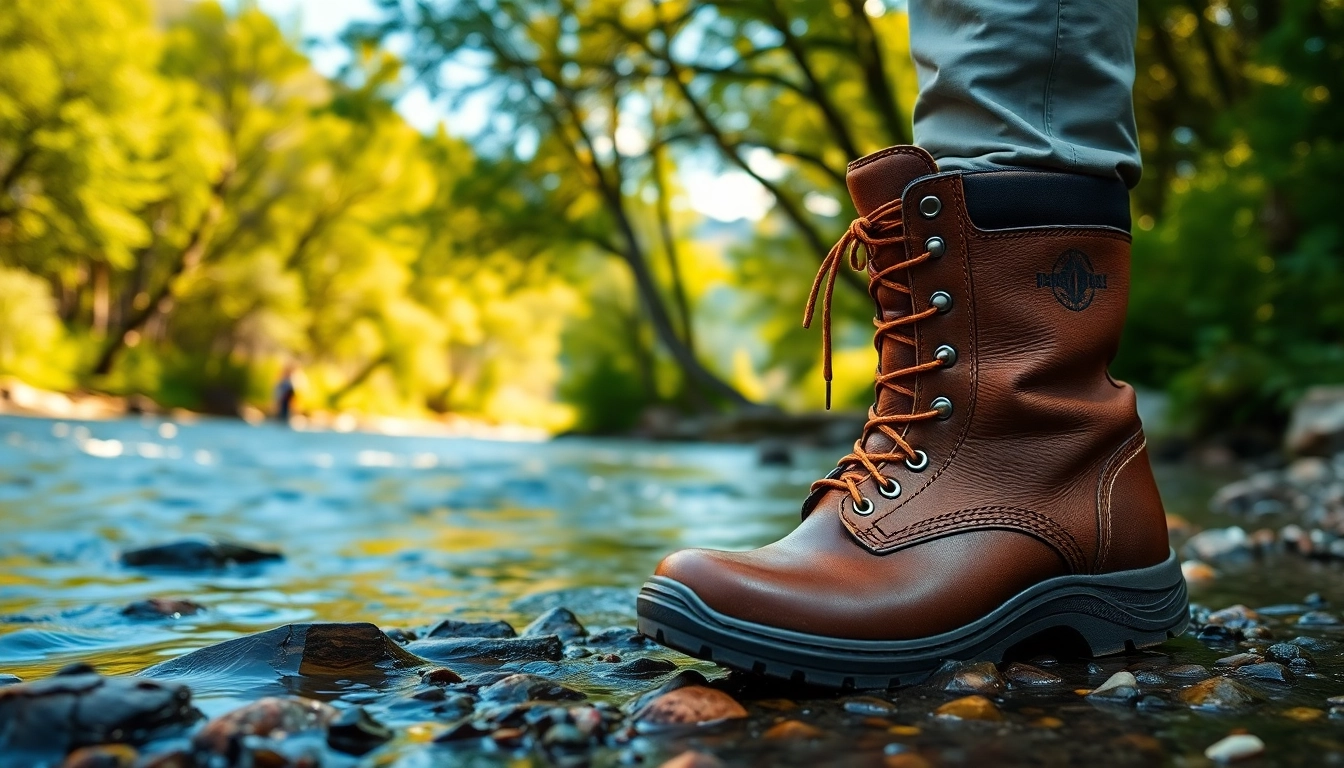
Understanding the Importance of Fly Fishing Boots
For dedicated anglers, fly fishing boots are more than just footwear; they play a crucial role in ensuring comfort, safety, and performance on the water. The right boots can drastically improve your fishing experience by providing the support and traction needed to navigate various terrains and conditions. In this section, we will explore the significant role that fly fishing boots play, the essential features to look for, and the quality trademarks of common brands in the market.
The Role of Boots in Fly Fishing
Boots designed specifically for fly fishing offer several advantages, starting with their ability to keep your feet dry and protected. When wading into rivers or streams, your feet are at risk of exposure to water, slippery rocks, and adverse temperatures. Fly fishing boots help mitigate these risks by combining waterproof materials with designs optimized for stability. Furthermore, boots with excellent traction prevent slips and falls, ensuring that anglers can maintain their balance while casting and reeling in fish.
Key Features to Look For
When shopping for fly fishing boots, certain features should be prioritized:
- Waterproofing: Look for boots with a waterproof membrane and sealed seams.
- Traction: Choose soles designed for grip; felt soles are common for slippery surfaces, while rubber soles provide versatility.
- Comfort: Ample cushioning and good arch support make long hours on your feet more manageable.
- Durability: Heavy-duty materials can withstand the wear and tear of rocky environments.
- Breathability: Ensure that your boots can ventilate; this is especially important in warm weather, to prevent overheating.
Common Brands and Their Quality
Some of the most reputable brands in the fly fishing footwear market include Simms, Orvis, and Patagonia. Each brand has its distinguishing characteristics:
- Simms: Known for high-quality materials and innovative designs, they offer premium options with exceptional comfort.
- Orvis: Focuses on a good mix of functionality and affordability, making their products accessible to a wide audience.
- Patagonia: Emphasizes sustainability, providing durable boots made from environmentally friendly materials.
Types of Fly Fishing Boots Available
The variety of fly fishing boots available on the market can be overwhelming, but understanding the different types can aid in making an informed decision. Below, we will explore the distinctions between the main types of boots: rubber vs. felt soles, breathable and insulated options, and hybrid models.
Rubber vs. Felt Sole Boots
Choosing between rubber and felt soles is a crucial decision that primarily depends on the fishing environment. Felt soles are traditionally favored in freshwater conditions since they provide superior grip on slippery surfaces. However, felt can hold water and mud, increasing the weight of the boots and making cleaning more challenging. On the other hand, rubber soles offer versatility and can be suitable for both freshwater and saltwater fishing, providing decent traction without absorbing water.
Breathable and Insulated Options
Breathable boots feature mesh or other lightweight materials that allow moisture to escape while keeping water out. These options are ideal for warmer climates or active fishing conditions, as they keep your feet cool and comfortable. Conversely, insulated boots provide warmth, making them essential for fishing in colder environments. Expedition-style boots may come with thicker insulative materials, allowing anglers to stand in icy waters without discomfort.
Hybrid Models: Pros and Cons
Hybrid models that combine the features of both rubber and felt soles are gaining popularity. These boots may have removable soles, allowing users to switch based on conditions. While they offer flexibility, they may not always provide the best performance compared to dedicated options. Evaluating the trade-offs based on your specific fishing environment is crucial.
How to Choose the Right Size and Fit
Choosing the right size and fit for fly fishing boots is vital for ensuring comfort during your fishing trips. Boots that are too tight can cause pain and blisters, while those that are too loose may lead to instability. Below are some expert tips for finding the right fit.
Measuring Your Feet Correctly
Before purchasing, it's essential to measure your feet accurately. Stand on a piece of paper and trace around each foot, as foot sizes can vary between feet. Measure the length and the widest part of your foot and compare these dimensions to the manufacturer's sizing chart to find the best match.
Trying Before Buying: Importance of Comfort
If possible, try on boots in-store. Wear the socks you typically use while fishing and walk around to test for comfort. Pay attention to areas where the boots may rub against your skin, as discomfort can become more prominent during long hours on the water.
Adjustable Features for Personalized Fit
Look for features that enhance fit, such as adjustable straps, laces, or buckles. These allow you to customize the boot’s fit for added comfort and stability, which can be particularly important when navigating uneven surfaces during fishing.
Care and Maintenance for Longevity
Proper care and maintenance are key to extending the life of your fly fishing boots. Regular cleaning, appropriate storage, and timely repairs can keep them in optimal condition season after season.
Cleaning Your Fly Fishing Boots
After each fishing trip, it’s essential to clean your boots to remove dirt, sand, and salt that can degrade materials over time. Use a soft brush or damp cloth and mild soap to clean the exterior. Make sure to rinse thoroughly and allow the boots to dry naturally, away from direct sunlight or heat sources.
Proper Storage Techniques
Store your fly fishing boots in a cool, dry place. Ensure they are not stuffed with paper or crammed into tight spaces, as this can deform their shape over time. Using a waterproof storage bag can further protect them from moisture and pests.
Repairing Minor Damages
Check your boots regularly for wear and tear. Small punctures or abrasions can often be repaired with specialized adhesives or patches. Taking the time to fix these issues promptly can prevent more significant problems down the line.
Expert Recommendations and User Reviews
Before making a purchase, it can be helpful to seek out expert recommendations and user reviews. Real-life experiences can provide insight into the performance and reliability of different models.
What Professional Anglers Recommend
Many professional anglers recommend purchasing from reputable brands known for their quality and innovation. They often highlight boots that offer a balance between comfort and functionality, ensuring that you can focus on fishing without worrying about your footwear.
User Feedback on Top Models
Reading user feedback on top models can also provide invaluable insights. You might discover unique features that contribute to comfort or performance that were not initially obvious. Look for discussions about durability, ease of cleaning, and how well the boots perform in various conditions.
Analyzing Performance Over Time
Long-term performance is often the best measure of quality. Many anglers share their experiences regarding how certain boots hold up over time, including issues such as waterproofing, comfort after prolonged use, and overall satisfaction. Analyzing these insights can help you invest wisely in boots that will meet your fishing needs well into the future.