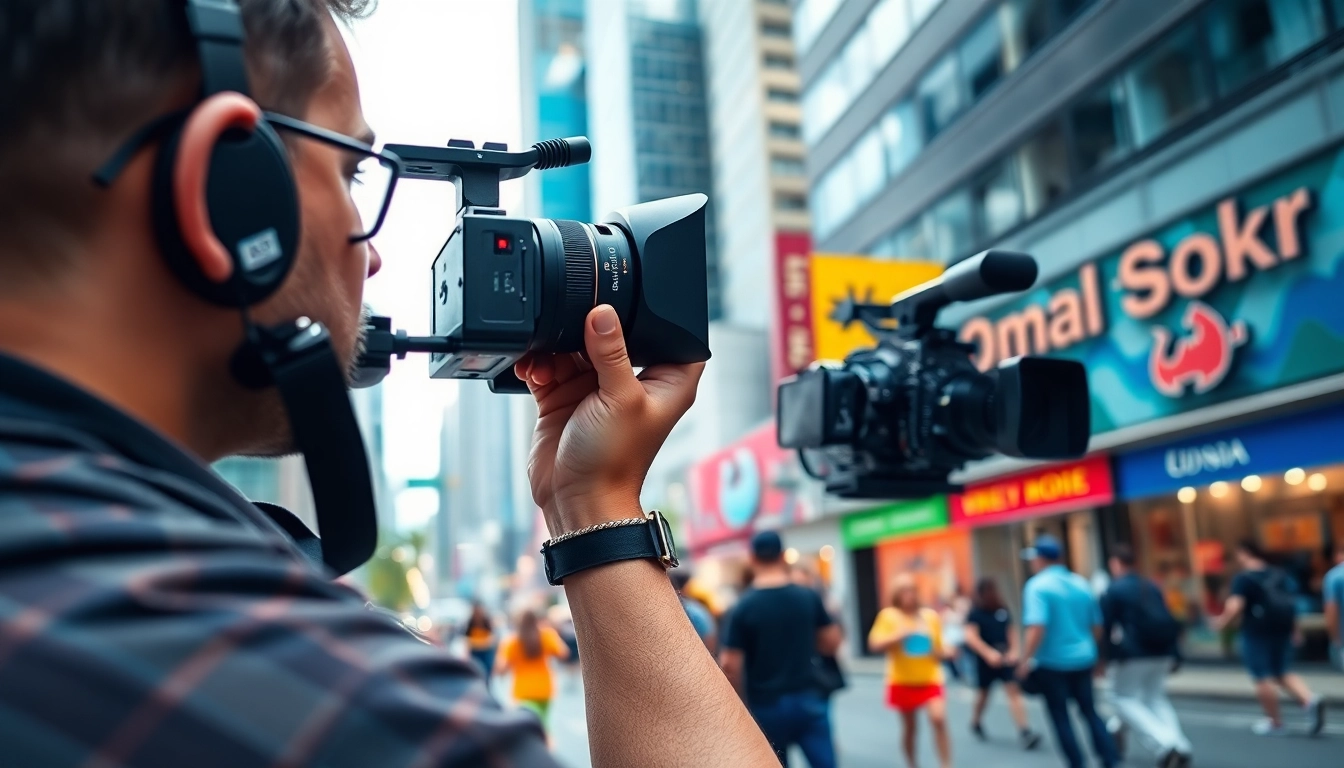
Understanding the Role of a Videographer
The world of videography is both vibrant and multifaceted, driven by creative vision and technical expertise. A Videographer plays a pivotal role in capturing moments that matter — whether it's a wedding, corporate event, or artistic project. By blending storytelling through visuals with intricate production techniques, videographers have the ability to forge connections and convey messages that resonate with audiences.
What Does a Videographer Do?
A videographer is responsible for the end-to-end process of video production, from the initial planning phases through to editing and final delivery. This job often encompasses a variety of stages, including:
- Concept Development: Understanding the purpose and message of the video, brainstorming ideas, and outlining a script or narrative.
- Pre-Production: Choosing locations, gathering necessary equipment, and coordinating with clients or talent.
- Filming: Capturing the footage, which includes setting up shots, managing lighting, and recording audio.
- Post-Production: Editing footage, adding effects and sound, and ensuring the final product meets the desired standards.
Types of Videographers: Commercial vs. Creative
Videographers can be broadly categorized into two types: commercial videographers and creative videographers. Commercial videographers focus on creating promotional content for businesses, including advertisements, corporate training videos, and event recaps. Creative videographers, on the other hand, often concentrate on artistic projects like documentaries, short films, or music videos. Both types play vital roles in the overall video landscape, serving different client needs and artistic visions.
Key Skills to Look for in a Videographer
When selecting a videographer, certain skills and qualities are essential:
- Technical Proficiency: A strong grasp of camera operation, lighting techniques, and sound recording is critical.
- Storytelling Ability: The capacity to tell a compelling story through visuals is what distinguishes a good videographer from a great one.
- Attention to Detail: Every frame matters, and an eye for detail is key in both shooting and editing processes.
- Communication Skills: Establishing a strong rapport with clients and collaborators is vital for a successful project.
- Adaptability: Every project comes with its own challenges; the best videographers can navigate unexpected changes and constraints with ease.
Choosing the Right Videographer for Your Needs
Selecting the right videographer can dramatically affect the outcome of your project. Here are essential steps to ensure you make an informed choice:
Defining Your Project Requirements
The first step is to clearly define what you need for your project. Consider the following questions:
- What is the purpose of the video? Is it for marketing, personal memories, or artistic expression?
- What is the target audience for the final product?
- What are your expectations regarding style and tone? Consider examples that inspire you.
- What is the desired length of the final video?
By having a well-defined project goal, you can better communicate your needs to potential videographers.
Budget Considerations and Pricing Models
Your budget will play a significant role in determining which videographers you can consider. Rates can vary widely depending on expertise, equipment, and project scope. Here are some common pricing models:
- Hourly Rates: Some videographers charge by the hour, which can be beneficial for short projects but may lead to unexpected costs if over time is required.
- Project-Based Fees: A fixed fee for an entire project can provide clarity and ensure that costs do not spiral out of control.
- Day Rates: Commonly used for longer projects, where videographers are paid for an entire day’s worth of shooting.
Always communicate your budget openly; many videographers are willing to work within constraints to achieve a successful outcome.
Where to Find Qualified Videographers
There are numerous avenues to discover skilled videographers. Consider these sources:
- Online Directories: Websites that list videography services with reviews and portfolios can be powerful tools.
- Social Media: Platforms like Instagram and LinkedIn are increasingly used by professionals to showcase their work and connect with clients.
- Referrals: Asking friends, family, or colleagues for recommendations may lead you to talented videographers who have delivered excellent results in the past.
Evaluating Videographer Portfolios
What to Look for in a Portfolio
- Diversity of Work: Look for a range of projects that showcase versatility—different styles, formats, and subjects.
- Technical Quality: The video quality should show expertise in camera work, lighting, and sound. A well-edited video is a strong indicator of a videographer's skill level.
- Storytelling Skills: Notice how effectively each video communicates its message or narrative. Does it engage you as a viewer?
Understanding Their Style and Vision
- Reviewing their most recent projects to gauge their current direction and skills.
- Asking direct questions about their creative process and how they approach different shoots.
- Identifying any signature techniques or thematic patterns evident in their work.
Importance of Client Testimonials
- Reviews highlighting not just the final product but also the experience of working with the videographer.
- Specific feedback regarding communication, flexibility, and professionalism during the project.
- Recommendations that showcase how the videographer adapted to changes or challenges.
The Videography Process: What to Expect
Pre-Production Steps with Your Videographer
- Discuss project goals and define the overall vision.
- Create a detailed shooting schedule outlining timeframes, locations, and necessary resources.
- Review the script or storyline to ensure clarity and flow.
The Filming Process Explained
- Being accessible for any last-minute changes or needs that arise on set.
- Trusting the videographer’s expertise in directing talent and managing the technical elements of filming.
- Emphasizing collaboration by sharing your thoughts and suggestions as the shoot progresses.
Post-Production and Editing Insights
- Editing for flow, pacing, and ensuring the story resonates with audiences.
- Incorporating graphics, sound effects, or music to elevate the production.
- Reviewing drafts and providing feedback to refine the final edit.
Maximizing Your Investment with a Videographer
Collaborating Effectively During the Project
- Maintain open lines of communication, sharing feedback and ideas freely throughout the process.
- Set regular check-ins to discuss upcoming phases and address any concerns or adjustments required.
- Be receptive to their expertise — they may have recommendations that improve the project's overall quality.
Promotion and Distribution of Videography Content
- Leverage social media platforms effectively to share your video with a broad audience.
- Utilize email marketing to reach out to existing customers and subscribers with the new content.
- Consider collaborating with influencers or other content creators to amplify reach.
Measuring Success and Gathering Feedback
- Analyze engagement metrics such as views, shares, and comments to gauge audience response.
- Gather feedback through surveys or direct outreach to understand what resonated well and what didn’t.
- Apply learnings from the project to refine your approach in future collaborations to maximize results.