Understanding Construction Site Safety
Defining Construction Site Safety
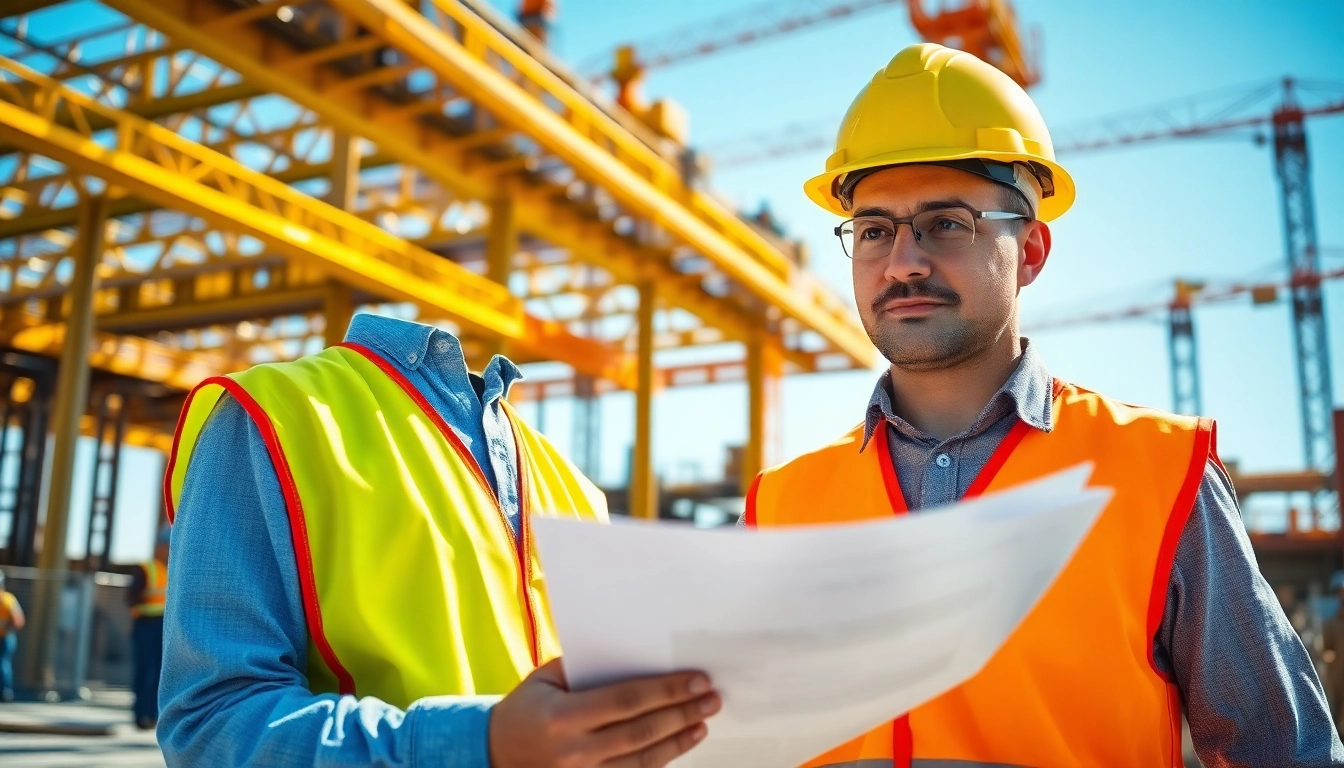
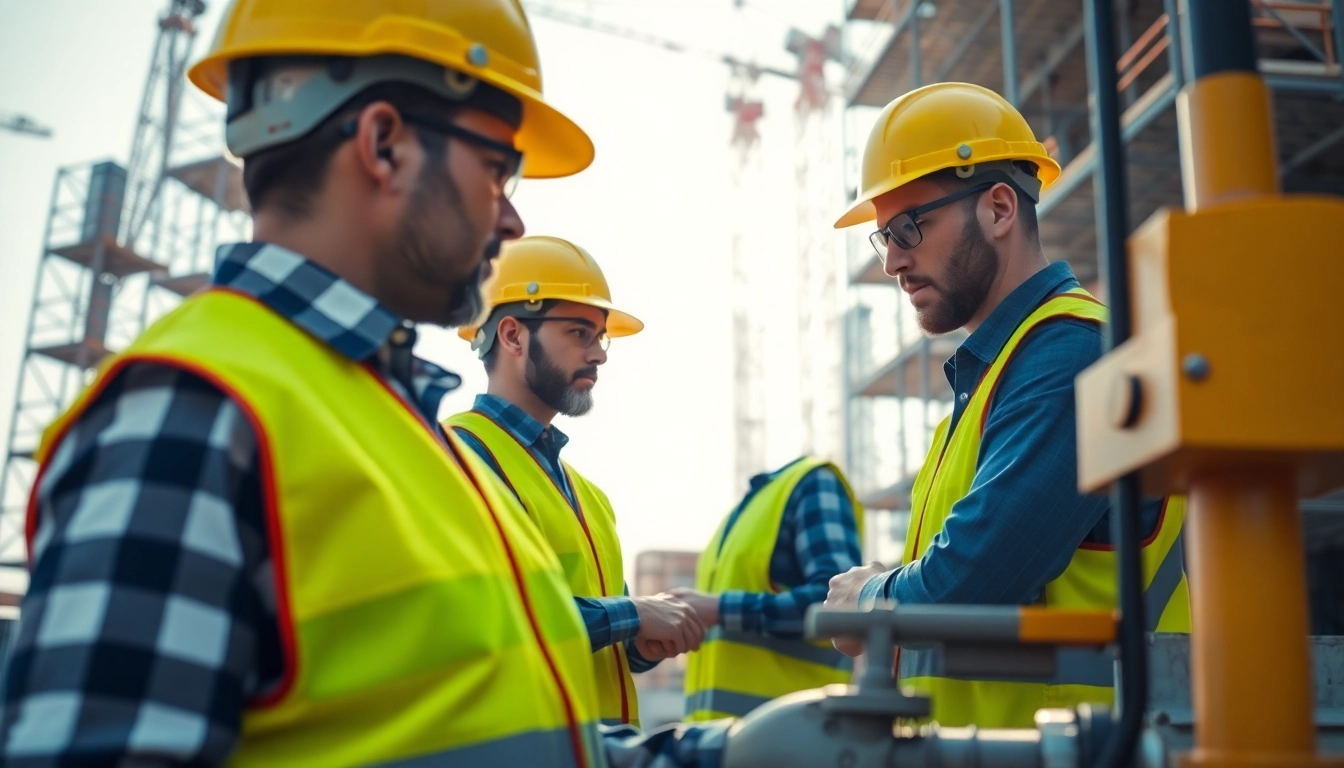
Construction site safety refers to the measures and practices implemented to ensure the health and welfare of workers at construction sites. This encompasses a wide range of regulations, procedures, and controls aimed at preventing accidents, injuries, and fatalities. It not only includes physical safety measures but also promotes a culture of safety awareness and responsibility among all personnel present on the site.
The Importance of Construction Site Safety
The importance of construction site safety cannot be overstated. Each year, thousands of construction workers suffer injuries or accidents due to unsafe conditions, which can lead to significant financial costs for companies and personal tragedies for families. By prioritizing construction site safety, organizations can improve employee morale, reduce insurance costs, and enhance overall productivity. Furthermore, adherence to safety standards is not only a legal obligation but also a moral requirement to protect workers who contribute to building society's foundations.
Key Components of Construction Site Safety
Critical components of construction site safety include risk assessment, safety training, use of personal protective equipment (PPE), and adherence to safety regulations. A robust safety culture integrates these elements, ensuring that all workers understand potential hazards and know how to avoid them. Moreover, regular reviews and updates of safety protocols keep the safety strategies relevant, especially as site conditions and regulations change.
Common Hazards on Construction Sites
Identifying Physical Hazards
Physical hazards in construction often involve machinery, tools, scaffolding, and falling objects. These risks can lead to serious injuries or fatalities if not managed properly. It is essential for construction managers to conduct regular site inspections, identifying these hazards and implementing appropriate safety measures, such as guardrails, safety nets, and proper equipment usage protocols.
Understanding Chemical Hazards
Chemical hazards encompass exposure to harmful substances like solvents, asphalts, and other toxic materials typically present on construction sites. Effective handling and storage procedures, adequate ventilation, and training on the use of Material Safety Data Sheets (MSDS) are vital for preventing chemical-related incidents. Workers must be educated on the potential risks and the protective measures in place.
Recognizing Ergonomic Hazards
Ergonomic hazards arise from awkward postures, repetitive tasks, and manual handling of heavy materials. These issues can lead to musculoskeletal disorders (MSDs) that not only cause discomfort but also often result in lengthy recovery times. Implementing ergonomic solutions such as adjustable workstations, team lifting protocols, and regular breaks can substantially reduce these risks while promoting worker well-being.
Best Practices for Construction Site Safety
Implementing Safety Training Programs
A comprehensive safety training program is the cornerstone of a successful safety strategy. All employees, regardless of their role, should undergo training that covers site-specific hazards, emergency procedures, and proper tool use. Regular refresher courses ensure that safety knowledge remains current and relevant. Additionally, engaging workers in safety meetings fosters a collaborative approach to identifying risks and suggesting improvements.
Establishing Safety Protocols
Safety protocols guide daily operations and define expected behaviors around health and safety. These protocols should be written clearly and made accessible to all staff. Crucial aspects include incident reporting procedures, emergency evacuation plans, and regular check-ins regarding compliance with safety measures. Effectively communicated protocols create a safer work environment and ensure consistency in the application of safety practices.
Utilizing Personal Protective Equipment (PPE)
PPE is a vital component of construction site safety, serving as the last line of defense against occupational hazards. Workers should be equipped with appropriate PPE, including helmets, gloves, goggles, and high-visibility clothing. It’s essential that companies not only provide the necessary equipment but also train employees on its correct use, maintenance, and the importance of wearing it at all times on site.
Regulations and Compliance for Construction Site Safety
National Safety Standards
National safety standards, like those set forth by the Occupational Safety and Health Administration (OSHA), provide a framework for ensuring that all construction sites adhere to established safety practices. These standards cover a wide array of topics, from fall protection to scaffold safety, greatly influencing industry norms. Companies must be aware of these standards and actively work to implement them on-site.
State Regulations Impacting Safety
In addition to national standards, various states impose their own set of construction safety regulations. These can vary significantly and cover additional safety practices, licensing, and reporting requirements. Staying compliant involves regular reviews of state regulations and adapting safety policies accordingly to ensure not only legal compliance but also worker safety.
Compliance Audits and Inspections
Compliance audits and inspections are critical to maintaining safety standards on construction sites. These processes involve a comprehensive review of safety protocols and practices to identify areas for improvement. Regularly scheduled inspections, along with surprise audits, can help avoid complacency. This proactive approach supports continuous improvement in safety culture and practices.
Measuring and Improving Construction Site Safety
Tracking Safety Performance Metrics
To gauge the effectiveness of safety measures, companies must track key performance metrics, such as injury rates, near-miss incidents, and compliance with safety training. Analyzing this data helps identify trends and areas needing improvement, allowing organizations to make data-driven decisions about their safety programs. Regular performance evaluations can foster a culture of transparency and accountability.
Conducting Safety Reviews
Regular safety reviews focus on auditing current safety strategies, assessing their effectiveness, and ensuring alignment with both national standards and company policies. These reviews must involve employees from all levels of the hierarchy, encouraging feedback and suggestion for improvements in safety practices. This participatory approach not only empowers staff but also strengthens safety protocols organically.
Continuous Improvement Strategies
Continuous improvement in construction site safety is vital for adapting to changing environments and regulations. Strategies may include embracing new technologies, adopting best practices from other industries, and fostering an open dialogue about safety concerns among workers. Building a culture that encourages proactive identification and resolution of safety issues can significantly enhance workplace conditions over time.
Frequently Asked Questions
What are the primary goals of construction site safety?
The primary goals include preventing accidents and injuries, ensuring compliance with safety regulations, and fostering a culture of safety awareness among workers.
What should be included in a safety training program?
A safety training program should cover hazard recognition, safe tool usage, emergency procedures, and regular reinforcement sessions for all employees.
Why is PPE crucial on construction sites?
PPE provides vital protection against potential hazards, making it essential for minimizing injuries. Proper use of PPE supports overall worker safety.
How can companies ensure compliance with safety regulations?
Companies can ensure compliance by staying updated on laws, conducting regular audits, and providing continuous safety training to all employees.
What are common challenges in achieving construction site safety?
Common challenges include poor communication, lack of training, inadequate supervision, and a culture that does not prioritize safety. Addressing these issues boosts safety efforts.