Understanding Common Toilet Issues
Frequent Problems Encountered in Toilet Repair
Toilets are vital fixtures in any home, yet they are not without their problems. Common issues that require toilet repair include running toilets, clogs, leaks, and misalignment. A running toilet usually signifies a problem with the flapper valve or the fill valve. Clogs can arise from debris, excessive toilet paper, or even foreign objects inadvertently flushed down. Leaks, often stemming from damaged seals or cracks in the porcelain, may go unnoticed until they cause significant water damage. Additionally, toilets can become misaligned over time, leading to uncomfortable rocking or poor performance.
Signs Your Toilet Needs Repair
Being attentive to the signs of toilet trouble can save you time and money. Listen for unusual sounds like continuous running water, which can indicate a problem. Check for water pooling around the base of your toilet, a sure sign of a leak. Additionally, if you need to flush multiple times or your toilet is slow to refill, it’s an indication that maintenance is required. It’s wise to act promptly on these signs to prevent further complications.
The Importance of Regular Maintenance
Regular maintenance is crucial for the longevity of your toilet. Just like any appliance, toilets benefit from periodic checks and minor adjustments. By dedicating a bit of time to maintenance, such as cleaning the tank and bowl, inspecting the components for wear, and checking for leaks, homeowners can ensure that their toilets function efficiently for years to come. Preventative care also helps in avoiding larger, costlier problems down the line.
Tools Required for Effortless Toilet Repair
Essential Tools Every DIYer Should Have
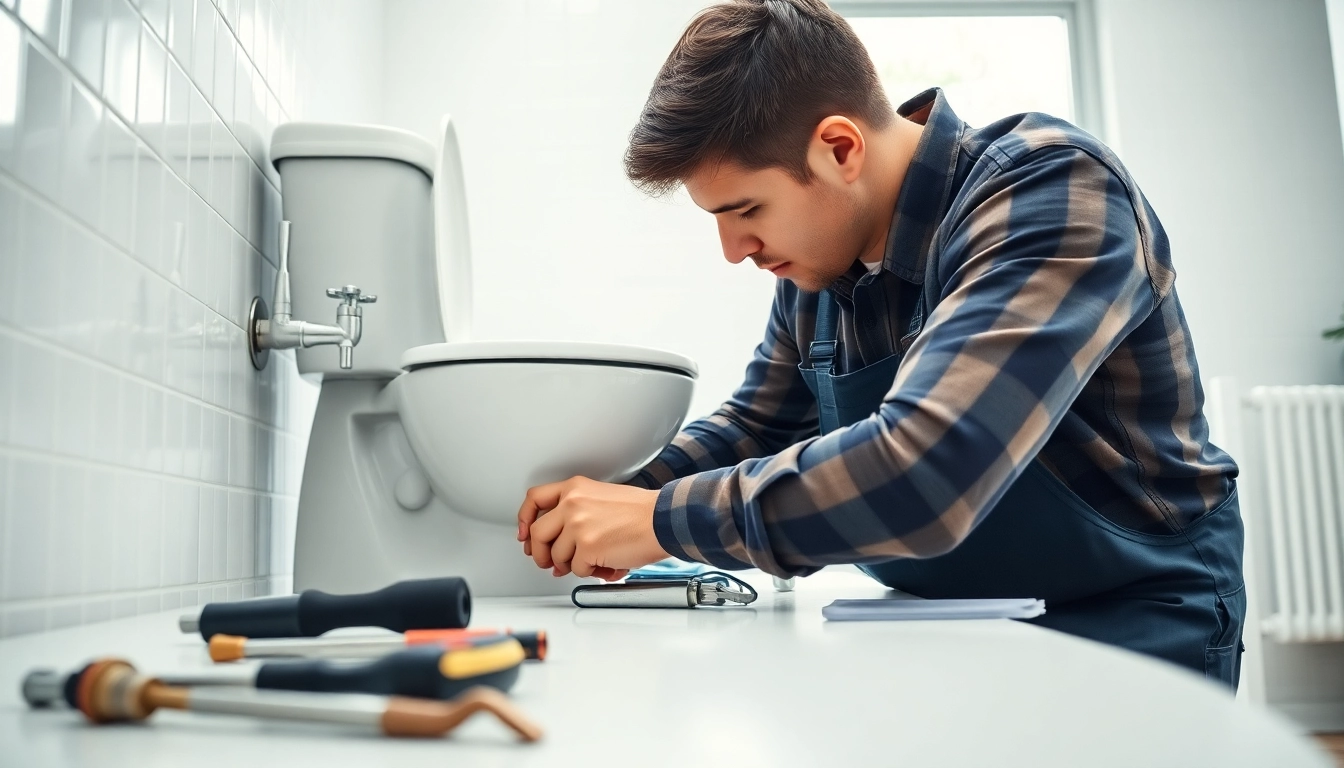
Equipping yourself with the right tools can make toilet repairs a breeze. Essential tools for any DIY enthusiast include: a wrench, a plunger, a toilet auger, screwdrivers, and a bucket. A wrench is crucial for removing and replacing bolts, while a plunger and toilet auger help clear stubborn clogs. Additionally, carrying a bucket can help contain any spillage that happens during repairs, protecting your floors and keeping the area tidy.
Advanced Tools for Complex Issues
For those tackling more intricate problems, certain advanced tools can prove beneficial. A multimeter, for instance, helps with diagnosing electrical issues in electronic toilets. A snake is another important tool for deep clogs that a plunger or auger can't reach. Additionally, having a repair manual specific to your toilet model can guide you through complex repair processes efficiently.
Where to Purchase Plumbing Tools
Finding the right tools is essential for effective toilet repair. Local hardware stores typically offer a range of plumbing tools and accessories. Alternatively, large home improvement centers provide more extensive selections, often with helpful staff on hand to assist. Online retailers also offer convenience, allowing you to compare prices and read reviews before purchasing. Whichever route you choose, ensure the tools are of good quality to withstand repetitive use.
Step-by-Step Guide to Basic Toilet Repair
Fixing a Running Toilet
A running toilet can be annoying and waste a significant amount of water. Start by identifying the cause, often due to a faulty flapper or fill valve. Check the flapper first for wear or misalignment; replace it if necessary. If the flapper is functioning, inspect the fill valve, ensuring it’s adjusted properly and functioning. Sometimes, simply cleaning the valve can solve the problem temporarily until a replacement can be made.
Resolving Clogs and Misalignment
To address clogs, begin with a plunger. Ensure a good seal around the drain and use consistent pressure to dislodge the blockage. If that fails, a toilet auger can reach deeper clogs safely. Misalignment issues may require tightening the bolts at the base or re-seating the toilet altogether. If you notice persistent misalignment after adjustments, replacement wax seals or bolts may be necessary.
Addressing Leaks Effectively
Leaks can lead to costly water bills and damage to your home. Begin by checking the tank-to-bowl gasket and the fill valve connection. Tighten any loose fittings and replace worn gaskets. For leaks at the base, the wax seal may need replacement. Shut off the water supply, drain the toilet, and replace the wax seal, ensuring a tight, sealed fit upon reinstallation.
When to Call a Professional for Toilet Repair
Assessing the Complexity of the Repair
While many toilet repairs can be managed independently, some problems necessitate professional intervention. If you encounter persistent leaks, complete blockages that thwart home remedies, or complex issues involving plumbing systems, calling a licensed plumber is prudent. They have the training and experience to handle such matters efficiently and safely.
Cost Considerations for Hiring a Plumber
When considering hiring a plumber, costs can vary significantly based on the job's complexity, time, and local rates. Routine visits may range from $50 to $150, while emergency repairs could cost considerably more. It's essential to obtain quotes from multiple plumbers and inquire about potential hidden fees to avoid surprises. Budgeting for professional services upfront can save anxiety later.
Finding the Right Plumbing Service
Finding a reliable plumber involves research and recommendations. Start by seeking referrals from friends or family, or exploring online reviews. Verify that the plumber is licensed and insured and ask about their experience with similar repairs. Trustworthy plumbers will provide estimates before beginning work, ensuring transparency and a better understanding of the costs involved.
Preventative Measures for Toilet Longevity
Best Practices for Toilet Maintenance
To extend your toilet's lifespan, adopt regular maintenance habits. Regularly inspect for leaks, ensure the flapper operates correctly, and clean mineral buildup to prevent clogs. Consider using enzyme-based cleaning products to avoid harsh chemicals that may damage inner components. Flushing the toilet monthly with a mixture of vinegar and baking soda can help maintain cleanliness and function.
Common Mistakes to Avoid
Homeowners often make several mistakes, like ignoring minor repairs, using excessive toilet paper, or flushing inappropriate items. Regular checks are vital; don't wait for bigger problems to emerge. Furthermore, avoid using chemical drain cleaners, which can damage pipes and toilet components. Instead, opt for mechanical solutions like plungers or augers.
How to Extend the Life of Your Toilet
Toilets often last decades with proper care. Along with regular maintenance, ensure there’s no unnecessary pressure put on the toilet mechanics, such as too heavy objects. Water quality plays a role; softening hard water can minimize mineral buildup. Additionally, install low-flow fixtures that help conserve water while maintaining optimal performance.
Frequently Asked Questions
1. How can I prevent my toilet from running?
Check and replace the flapper valve and ensure it is adjusting correctly. Adjusting the float height can also prevent overfilling and running. Regular checks help identify early signs.
2. What should I do if my toilet is clogged?
Start by using a plunger to create suction. If that fails, a toilet auger can help reach deeper clogs. Avoid flushing more than once, as it may worsen the clog.
3. How often should I check my toilet for leaks?
Conduct routine inspections every six months. Monitor for signs like moisture around the base or unusual sounds, indicating potential leaks that need attention.
4. When should I consider replacing my toilet?
If your toilet consistently experiences issues, such as leaks, clogs, or cracked porcelain, and it’s over 25 years old, it may be more cost-effective to replace it.
5. Is it necessary to call a plumber for minor repairs?
Not always. Many minor repairs, like replacing a flapper or tightening bolts, can be DIY jobs. However, for persistent issues, consulting a professional can save hassle.