
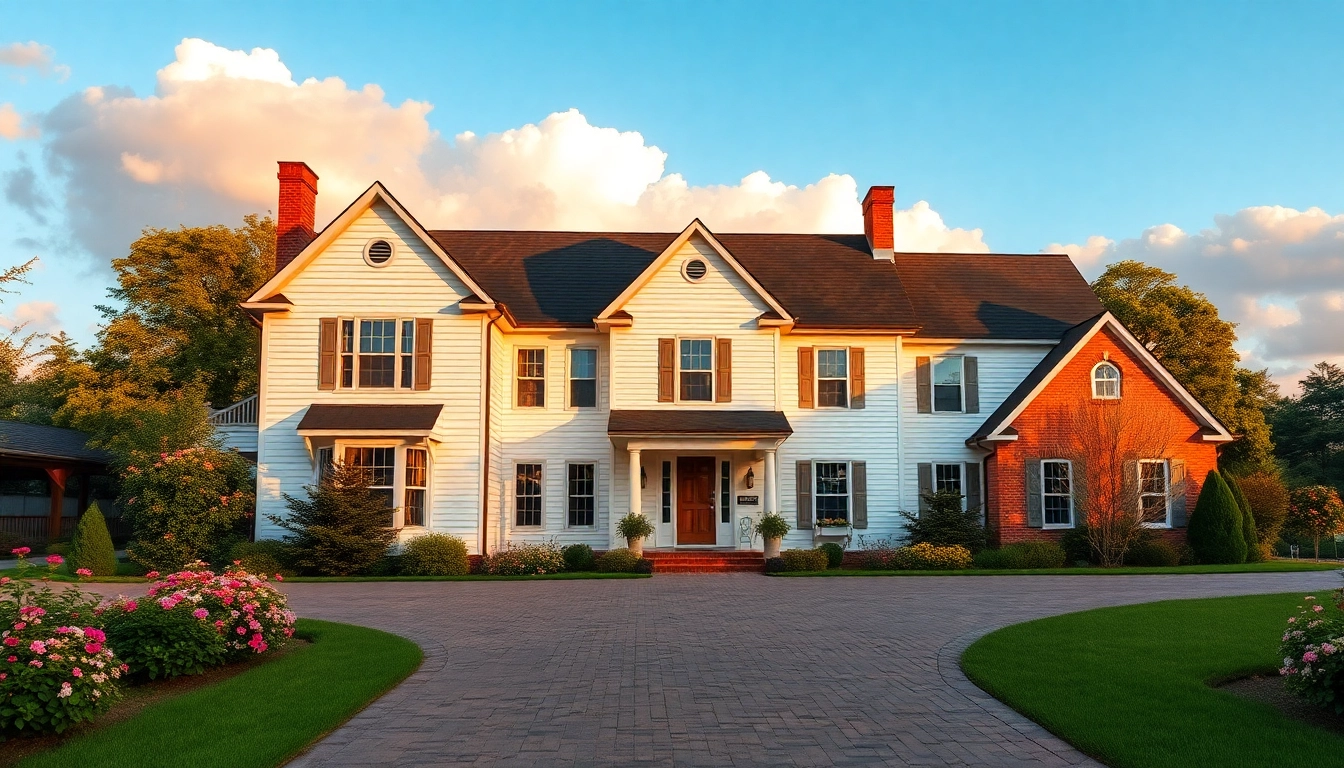
Understanding Colonial Home New Build Construction
Colonial homes are celebrated for their timeless elegance and architectural richness. As you embark on your journey of colonial home new build construction, it’s essential to grasp both the historical significance of these buildings and the modern adaptations that make them appealing in today’s real estate market.
Historical Context of Colonial Homes
Colonial architecture emerged in North America during the late 16th and early 17th centuries, heavily influenced by European styles, particularly from England, Spain, and the Netherlands. These homes were initially built using local materials and adapted to the climate and landscape of their environment. The Colonial period saw a variety of styles, including Georgian and Federal designs, characterized by symmetrical facades, multi-pane windows, and decorative elements.
Understanding the history of these homes provides a foundation for building a modern version. Colonial homes represented the desires and values of early settlers – stability, resilience, and community identity. As America evolved, so did the architecture, leading to the hybridization of styles that embraced neoclassical influences, Victorian embellishments, and New England characteristics.
Defining Features of Colonial Architecture
The defining features of Colonial homes often include a square or rectangular footprint, steeply pitched roofs, and a central front door usually adorned with decorative molding. Colonial homes typically boast double-hung windows, often with shutters and a simple yet elegant facade. The interior layout frequently emphasizes symmetry and spacious rooms, which lends itself to their practical use as family homes.
Intricate woodwork frames the windows and doors, while rustic touches like exposed beams add character and warmth to the interiors. Colonial homes also utilize classic materials such as brick, wood clapboard, and stone, imbued with a sense of heritage that appeals to many homeowners.
Modern Adaptations and Trends
As we venture into the 21st century, many homeowners are opting for modern adaptations of Colonial homes, merging traditional aesthetics with contemporary practices. This includes open floor plans that contrast the historically segmented rooms, energy-efficient technologies embedded within the structure, and the use of sustainable building materials.
Additionally, outdoor living spaces are becoming significant features, with decks and porches designed for relaxation and social interaction. Traditional Colonial styles are also seeing twists with the inclusion of bright colors and innovative landscaping that enhance their curb appeal while remaining true to their historical roots.
Planning Your Colonial Home Project
Initial Design Considerations
Planning a colonial home new build construction project begins with numerous design considerations. First, envision the layout and flow of the home. Decide how many rooms you need, their functions, and how they intertwine with your daily life. Think about the lifestyle you aspire to live in your new home—whether you entertain frequently or require an office space, and accommodate those aspects early in the design phase.
Consultation with an architect specializing in colonial styles can provide insights into maximizing space and light. They can also aid in selecting features that pay homage to the historical elements of Colonial architecture, ensuring an authentic yet comfortable living environment.
Selecting Materials and Finishes
Choosing the right materials and finishes plays a crucial role in maintaining the authenticity of colonial homes while enhancing durability and efficiency. Traditional Colonial homes frequently use brick, stucco, or wood siding. Nowadays, homeowners also explore composite materials that mimic traditional looks but offer improved maintenance and longevity.
Additionally, selecting finishes such as period-appropriate fixtures, classic paint colors, and hardwood flooring adds to the historical charm. Make sure to source materials that align with your vision while considering sustainability and energy efficiency, which are significant in modern home construction.
Setting a Budget and Timeline
Establishing a realistic budget is fundamental to the success of your colonial home project. Costs can vary widely based on the complexity of the design, choice of materials, and labor. Create a comprehensive budget that considers land acquisition, construction, decor, and landscaping to avoid surprises during the build.
Next, develop a timeline. Understand that new builds can encounter delays due to weather, permitting, or supply chain issues, so factor these into your expectations. Breaking down the project into phases can help manage time effectively and provide a clearer picture of progress.
Permits and Regulations in New Build Construction
Navigating Local Building Codes
Before breaking ground, familiarize yourself with local building codes and regulations that govern new builds in your area. These codes ensure that new constructions comply with safety standards and building practices, protecting both the homeowner and the community.
Different regions might have specific requirements concerning zoning, setbacks, and architectural styles, especially for colonial homes, which may be subject to strict guidelines to retain their historical context. Engage with local authorities early in the process to ensure you understand all regulations.
Obtaining Necessary Permits
Obtaining the necessary permits is a crucial step in your colonial home construction. This may include obtaining building permits, electrical permits, plumbing approvals, and even historical preservation permits, should your project impact a historically significant area.
Each permit serves to ensure safety and compliance with local laws. Starting this process early allows for a smoother construction period, eliminating potential holdups and legal challenges down the road.
Environmental Considerations
As environmental awareness grows, so do regulations regarding construction’s ecological impact. Assess your new build plans in terms of sustainability practices and energy efficiency systems that can be integrated into the design, such as solar panels, rainwater harvesting, and native landscaping.
Additionally, consider the placement of your home on the lot to maximize natural light and wind flow, which can lead to energy savings and a lower environmental footprint, while incorporating landscape features that enhance the habitat around your home.
Construction Process: Step-by-Step
Breaking Ground: Site Preparation
The initial phase of construction consists of site preparation, which involves clearing the land, grading the lot, and laying a solid foundation for your colonial home. Excavation may be necessary to ensure a flat surface, and drainage systems can be installed at this stage to protect against flooding and soil erosion.
Working with a qualified contractor during this phase is crucial, as they will understand local codes and environmental considerations that should be addressed before the actual construction begins.
Building the Framework
Following site preparation, the building framework can commence. This involves constructing walls, roofs, and floors based on the approved design. Because colonial homes prioritize symmetry, careful attention is needed when framing to maintain an even aesthetic on all sides.
Quality control during this phase is paramount, and regular inspections can ensure that the framework adheres to integrity and safety guidelines. Use skilled tradespeople familiar with colonial architecture, as their expertise will contribute to the home’s longevity and visual appeal.
Finishing Touches and Landscaping
Once the structure is complete, attention turns to finishing touches and landscaping. Interior work such as drywalling, painting, and installing fixtures brings the home to life, while exterior elements such as siding and roofing finalize its colonial appearance.
Landscaping is equally important, creating outdoor spaces that resonate with the heritage of colonial homes. Incorporating traditional gardens, pathways, and even fences can enhance appeal while providing a welcoming environment for family and friends.
Maintaining Your Colonial Home Over Time
Regular Maintenance Tips
Owning a colonial home is a commitment to preserving its beauty and structural integrity. Regular maintenance is essential, including yearly inspections of the roof, gutters, and foundational components. Clean gutters to prevent water damage, repaint areas that show wear, and check for signs of pests.
Furthermore, establishing a seasonal maintenance schedule can keep the home in optimal condition, ensuring that any issues are caught early before they develop into larger, more expensive problems.
Preserving Historical Features
A key part of owning a colonial home involves preserving its historical features. Regular assessments and careful restoration techniques can maintain the character of original windows, doors, and detailed woodwork.
When restoring, opt for methods and materials that align with traditional craftsmanship, ensuring that replacements blend seamlessly with the home’s historic character. Programs and grants may also be available for homeowners dedicated to restoration within historic districts.
Energy Efficiency Upgrades
Modernize your colonial home by integrating energy-efficient upgrades that can enhance comfort and reduce utility costs without sacrificing style. Simple projects like adding insulation, replacing old windows with energy-efficient alternatives, and installing programmable thermostats can significantly improve the home’s performance.
Furthermore, consider retrofitting the home with sustainable technologies such as solar panels and smart home systems, which allow for long-term savings and adherence to modern environmental standards.
FAQs
What is the cost range for building a colonial home?
The cost varies widely based on location, materials, and the complexity of the design. Generally, expect to budget between $150-$250 per square foot.
How can I ensure my colonial home respects historical architecture?
Research historical styles and consult with an architect familiar with colonial designs to ensure authenticity in your build.
What materials are best for a colonial home?
Classic colonial builds typically use brick, wood clapboard, and stone. Sustainable alternatives that mimic these can also work well.
How long does it take to build a colonial home?
On average, constructing a colonial home can take anywhere from 6 to 12 months, depending on site conditions and design complexity.
Are colonial homes energy efficient?
Traditional colonial homes may not be energy efficient, but modern upgrades such as insulation and energy-efficient windows can significantly improve efficiency.