Understanding the Manaslu Circuit Trek
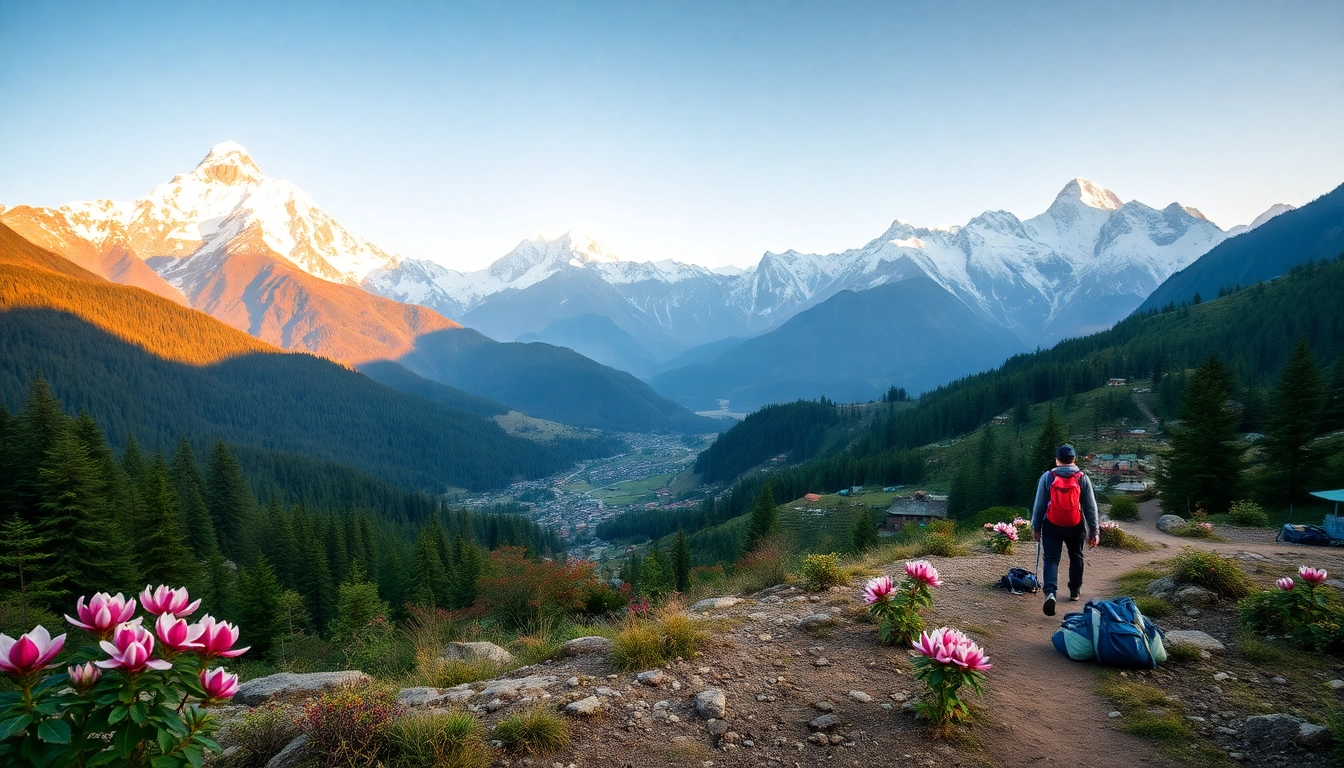
The Manaslu Circuit Trek is one of the most mesmerizing trekking routes in Nepal, offering a blend of adventure and cultural immersion. Nestled in the Gorkha district, this trek takes you around the world's eighth-highest peak, Mount Manaslu, and showcases the sublime beauty of the Himalayas. Spanning approximately 15 days, the trek accommodates varying terrains, from lush valleys to rocky cliffs, each promising breathtaking views and an intimate encounter with local culture. The journey is particularly special for its less-trodden paths, allowing trekkers to experience the tranquility that nature offers far away from the bustling Annapurna Circuit and other popular trails. If you're looking to dive deeper into this rewarding adventure, Ace the Himalaya provides comprehensive insights on manaslu circuit trekking.
Overview and Key Highlights of Manaslu Circuit Trekking
The Manaslu Circuit Trek has gained immense popularity for its stunning scenery, rich cultural experiences, and the sense of adventure it provides. Some highlights of the trek include:
- Stunning Himalayan Views: Experience unparalleled vistas of Manaslu (8,163 m), Himlung Himal, and other peaks along the journey.
- Cultural Exchanges: Trek through quaint villages like Samagaon, where you can interact with the local Gurung and Tibetan communities.
- Varied Terrain: Encounter diverse landscapes, from lush green forests and terraced fields to high-altitude passes.
- Remote Experience: Enjoy the sense of solitude as this trek remains less crowded compared to other popular routes.
Why Choose the Manaslu Circuit Trek?
Choosing the Manaslu Circuit Trek over more mainstream routes offers a unique opportunity to connect with nature and immerse yourself in the rich cultural tapestry of Nepal. This trek is ideal for those looking to explore pristine landscapes away from the hustle and bustle of tourist hotspots. The controlled access to the region also ensures a focus on responsible tourism, allowing trekkers to experience the untouched beauty of the Himalayas while minimizing environmental impact.
What Makes This Trek Unique Compared to Other Routes?
Unlike the Annapurna Circuit or Everest trails that see thousands of trekkers annually, the Manaslu Circuit is a hidden gem that promises authentic experiences. The trek requires special permits and often demands a higher level of physical fitness due to its elevation gain and rugged terrain. However, those who take on the challenge are rewarded with stunning natural beauty, cultural richness, and a true escape from mass tourism.
Preparation for Your Trek
Essential Packing List for Manaslu Circuit Trekking
Packing adequately for the Manaslu Circuit Trek is crucial for both comfort and safety. Here’s a suggested packing list:
- Clothing: Layered clothing is essential. Include thermal base layers, a fleece jacket, a waterproof outer layer, and trekking pants.
- Footwear: Invest in a good pair of trekking boots that provide ankle support.
- Sleeping Gear: A sleeping bag rated for sub-zero temperatures is recommended, especially for high-altitude camps.
- First Aid Kit: Basic medications for altitude sickness, pain relief, and antiseptic wipes should be included.
- Hydration: A water bottle or hydration pack will help you stay hydrated throughout the trek.
Physical Fitness and Training Requirements
Preparing your body for the Manaslu Circuit Trek should start well in advance. A good fitness level is vital to tackle the challenging ascents and long days of trekking. Focus on building cardiovascular endurance through running, cycling, or hiking, and incorporate strength training to build core and leg strength. Aim for at least 5-6 hours of hiking on varied terrain as part of your training regimen to simulate the conditions you’ll encounter on the trek.
Understanding Permits and Regulations for Trekking
Before embarking on the trek, trekkers must secure several permits, including:
- Manaslu Conservation Area Permit (MCAP): Required for entry into the conservation area.
- Restricted Area Permit (RAP): Essential for trekking in the Manaslu region due to its sensitive ecological and cultural significance.
- Trekkers' Information Management System (TIMS) Card: A popular requirement for trekking in Nepal.
The Itinerary: What to Expect
Day-by-Day Breakdown of the Manaslu Trek Itinerary
The following provides an overview of the typical 15-day itinerary for the Manaslu Circuit Trek:
- Day 1: Arrival in Kathmandu.
- Day 2: Drive to Machha Khola.
- Day 3: Trek to Jagat.
- Day 4: Trek to Deng.
- Day 5: Trek to Namrung.
- Day 6: Trek to Lho.
- Day 7: Trek to Samagaon.
- Day 8: Acclimatization day in Samagaon.
- Day 9: Trek to Samdo.
- Day 10: Trek to Dharmashala.
- Day 11: Cross Larkya La Pass and trek to Bimthang.
- Day 12: Trek to Goa.
- Day 13: Trek to Dharapani.
- Day 14: Drive back to Kathmandu.
- Day 15: Departure from Kathmandu.
Acclimatization Strategies on the Trail
Acclimatization is vital when trekking at high altitudes to prevent altitude sickness. The itinerary includes strategic acclimatization days, especially in Samagaon, where trekkers can hike to Birendra Lake and Manaslu Base Camp. Staying hydrated, maintaining a balanced diet, and ascending gradually are key strategies to help your body adjust to altitude changes.
Tips for Daily Trekking Challenges
Each day of trekking comes with its own set of challenges. Here are a few tips to navigate them effectively:
- Start Early: Begin your day with an early start to cover more distance before noon, when temperatures can soar.
- Listen to Your Body: Take breaks as needed, especially if you start to feel fatigued or experience symptoms of altitude sickness.
- Stay Hydrated: Drink plenty of water to keep your body hydrated and help with acclimatization.
Cost and Budgeting for Your Trek
Manaslu Circuit Trekking Costs: A Detailed Breakdown
The cost of the Manaslu Circuit Trek can vary significantly based on the services selected. On average, trek packages can range between $1,500 to $2,500. This pricing generally includes permits, meals, guides, and accommodation. Here’s a breakdown of typical costs:
- Permits: Around $100-200.
- Guide and Porter Fees: $25-50 per day for a guide and $15-25 for a porter.
- Accommodation: Budget options may start from $10 per night, while more comfortable options can go up to $30-40.
- Meals: Expect to budget around $20-30 per day for meals.
Inclusions and Exclusions to Consider
When booking a trekking package, ensure you understand what is included and excluded. Typical inclusions might be:
- Accommodation during the trek.
- Meals while on the route.
- Professional trekking guides.
- All necessary permits.
Exclusions often include:
- International airfare.
- Personal trekking gear.
- Travel insurance.
Tips for Saving Money During Your Trek
Travelers can save money by booking in advance, choosing group tours, and preparing some meals themselves. Opting for local eateries instead of higher-end options can also help maintain your budget while experiencing authentic local cuisine.
Experiencing Culture on the Trek
Engaging with Local Communities along the Trail
The Manaslu Circuit Trek provides unique opportunities to engage with local communities. From traditional village homestays to dialogue with locals about their daily lives, trekkers can gain insights into the rich cultural tapestry of the region. Be respectful and ask before taking photographs of people or their property.
Understanding the Cultural Significance of the Region
As you trek, you will encounter numerous cultural symbols, such as prayer flags and mani stones, which hold spiritual significance for the local Tibetan Buddhists. Learning about these practices enriches the trekking experience and fosters respect for the local culture.
Respecting Local Customs while Trekking
To enhance your experience and foster goodwill with the locals, it’s important to respect cultural customs. For instance, it's customary to remove shoes when entering homes and monasteries. Additionally, learning a few basic Nepali phrases can go a long way in connecting with the local community.