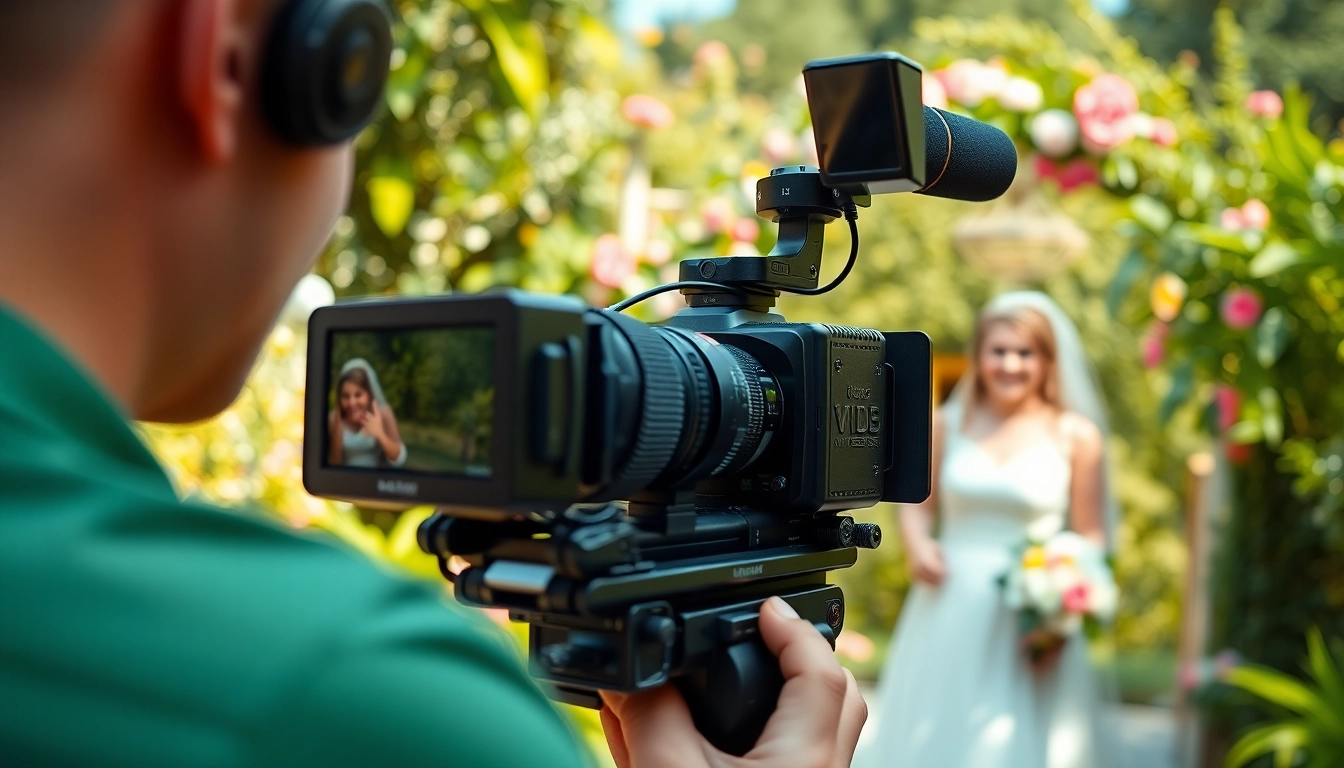
Understanding the Role of Videographer
Definition and Key Responsibilities
A Videographer is a professional who captures moving images using video cameras and other equipment. Unlike traditional filmmakers who might have large crews, videographers often operate as solo entities, handling various aspects of video production from pre-production planning to post-production editing. Their primary responsibilities include operating cameras, recording audio, and creating visual narratives that engage viewers.
Videographers play a critical role in a wide range of sectors, including corporate media, advertising, documentary filmmaking, live events, and personal celebrations like weddings. They must possess a versatile skill set that combines technical expertise with creative vision, allowing them to adapt to the unique demands of each project.
Importance in Various Industries
The demand for videographers has grown exponentially due to the rise of digital media consumption. In the corporate sector, videographers produce training videos, marketing content, and promotional materials to communicate effectively with clients and stakeholders. In the realm of events, they capture live moments, preserving memories for families and organizations alike.
Furthermore, educational institutions rely on videographers to create instructional materials, online courses, and event coverage, enhancing learning experiences for students. With the advent of social media platforms, videographers are also crucial in the digital marketing landscape, creating content that increases brand visibility and engagement.
Basic Skills Every Videographer Should Have
To excel as a videographer, one must master a diverse range of skills:
- Technical Skills: Proficiency in operating cameras, audio gear, and lighting equipment is essential for producing high-quality video content.
- Editing Skills: Familiarity with video editing software is crucial for crafting compelling narratives from raw footage.
- Creative Vision: A strong sense of story and composition helps videographers create visually appealing and relatable content.
- Communication Skills: Effective communication with clients, team members, and subjects is vital for capturing the intended message.
Essential Equipment for Videographers
Types of Cameras and Accessories
Choosing the right camera is fundamental for any Videographer. Options range from DSLRs and mirrorless cameras to high-end cinema cameras, each suited for different styles and projects. DSLRs and mirrorless cameras offer flexibility and ease of use, making them ideal for events and corporate videos. On the other hand, cinema cameras provide higher quality and better performance in challenging lighting conditions.
An essential part of a videographer's toolkit includes various lenses, stabilizers, and tripods. Lenses vary in focal length and aperture, allowing videographers to achieve different effects, such as shallow depth of field or wide perspectives.
Audio Equipment for Optimal Sound
Capturing high-quality audio is just as important as obtaining stunning visuals. Videographers should invest in reliable microphones, such as lavalier mics for interviews or shotgun mics for recording environment sounds. Additionally, audio recorders and mixers can enhance sound quality, providing more control over the final product. It’s indispensable for any video project to ensure that the audio is crisp and clear, as poor sound can detract from even the most visually appealing footage.
Lighting Techniques for Different Settings
Lighting can completely transform the mood of a video. Understanding how to utilize natural light effectively and employ artificial light sources is crucial for videographers. Softboxes, LED panels, and reflectors are commonly used tools for achieving the desired lighting effects.
During interviews, three-point lighting setups (key light, fill light, and backlight) create a professional appearance, ensuring that subjects are well-lit and free from harsh shadows. Videographers must also learn to adjust their lighting techniques based on different environments, whether shooting outdoors during the day or in dimly lit venues.
Videography Techniques for Stunning Visuals
Framing and Composition Essentials
Framing and composition are fundamental aspects of videography that directly impact the visual storytelling of a piece. Utilizing the rule of thirds can help create balanced and engaging shots, while leading lines and framing techniques guide the viewer's focus.
Experimenting with different angles, such as low-angle or high-angle shots, can also add narrative depth. Videographers should think critically about each shot's purpose and how it contributes to the overall story. Moreover, the pacing of cuts during editing must align with the visual flow to maintain audience engagement.
Editing Basics: Software and Techniques
Editing is where the videographer's vision comes to life. Familiarity with editing software like Adobe Premiere Pro, Final Cut Pro, or DaVinci Resolve is essential. Each platform offers unique tools and functionalities, so understanding which software best suits one's workflow can enhance productivity.
Basic editing techniques include trimming clips, adding transitions, and layering audio. More advanced skills like color grading, visual effects, and sound design will elevate the finished products. Videographers should continually refine their editing skills to adapt to evolving trends and technologies within the industry.
Storytelling Through Video: Engaging Your Audience
At its core, videography is about telling stories. Understanding the target audience helps videographers craft narratives that resonate. Authentic storytelling involves not just the visuals but also the emotional beats and messages conveyed through voiceovers, interviews, and b-roll footage.
Creating an emotional connection with the viewer is paramount. This can be achieved through relatable content, compelling characters, and authentic moments. A well-told story keeps the audience engaged and leaves a lasting impression, making it vital for videographers to hone their storytelling techniques.
Finding Your Niche as a Videographer
Exploring Specializations: Weddings, Events, and Corporate
While all videographers share core skills, many choose to specialize in specific genres. Wedding videography, for example, requires not only technical expertise but also a unique sensitivity to capture fleeting moments. Event videographers must be prepared to document everything from corporate functions to concerts, portraying the atmosphere and key highlights of the day.
Corporate videographers, on the other hand, often create content aimed at promoting brands, products, or services. Each niche presents its challenges and rewards, so aspiring videographers should assess where their strengths and interests lie before focusing their efforts.
Building a Personal Brand and Portfolio
A strong personal brand can set a videographer apart in a saturated market. Creating a professional website showcasing a diverse portfolio is a critical step in attracting clients. Including a mix of project types demonstrates versatility and expertise.
Additionally, maintaining a presence on social media platforms allows videographers to network and promote their work. Engaging with followers, posting behind-the-scenes content, and participating in relevant discussions can enhance visibility and credibility.
Networking and Collaborating with Other Creatives
Networking is invaluable for videographers looking to establish themselves in the industry. Attending workshops, conferences, and industry events opens opportunities for collaboration and mentorship. Partnerships with other professionals such as photographers, graphic designers, and marketers can lead to innovative projects and referrals.
Joining online communities and forums dedicated to videography can also provide support, feedback, and potential work opportunities. Collaboration can enhance the learning process and expand creative horizons through shared ideas and resources.
Career Prospects for Videographers
Freelancing vs. Full-time Employment Opportunities
Prospects for videographers can vary significantly based on their career path. Freelancing provides flexibility and autonomy but often comes with the highs and lows of project-based work. Freelancers are responsible for securing their clients, managing schedules, and covering all aspects of business operations.
Full-time employment offers stability, often with benefits and consistent workflow. Videographers can find positions in production companies, advertising agencies, corporate media departments, and educational institutions. Each route has its advantages, and aspiring videographers should weigh their options based on their career goals and personal circumstances.
Salary Expectations and Growth Potential
Salary for videographers can vary widely based on factors such as location, experience, and specialization. Entry-level positions may start lower but can increase substantially with experience and a strong portfolio. According to industry data, videographers have the potential for significant salary growth, especially those who excel in high-demand niches such as corporate videography or specialized event coverage.
Continuous skill development and staying up-to-date with industry trends can impact earning potential. Videographers who can adapt to changing demands in technology and content styles are likely to find themselves with better job opportunities and income prospects.
Continuing Education and Skill Development
The videography landscape is constantly evolving, making ongoing education vital for professionals in the field. Workshops, online courses, and tutorials are excellent resources for learning new techniques and software updates. Not only do they provide technical knowledge, but they also offer insights into evolving industry standards and trends.
Participating in film festivals and competitions can also be a great way to challenge oneself creatively and receive constructive feedback. Many organizations provide certification programs for videographers, further enhancing credibility in the eyes of potential clients.