
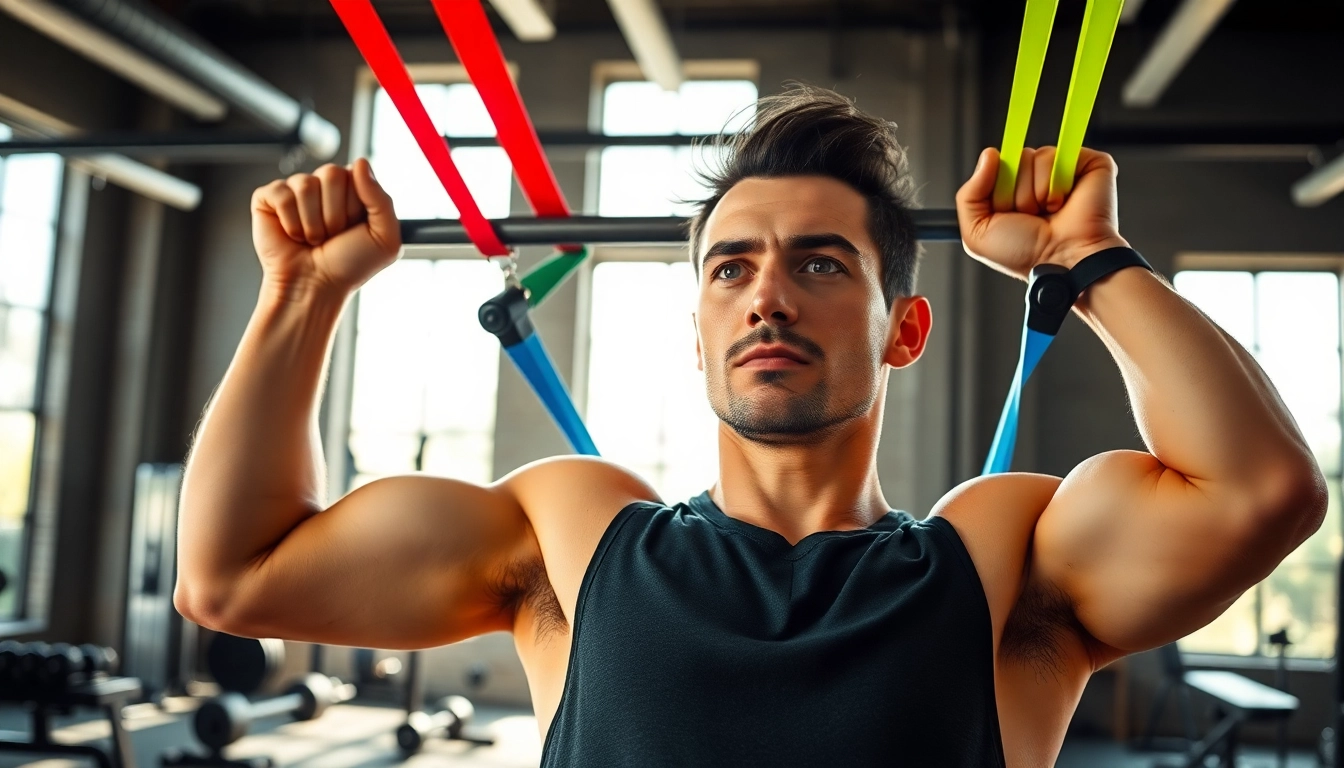
Understanding Assisted Pull-Up Bands
When it comes to achieving fitness goals, many individuals find pull-ups to be one of the most challenging exercises. However, leveraging assisted pull-up bands can make a significant difference in your workout routine, providing the necessary support to help you master this essential movement. These bands enable beginners and seasoned athletes alike to improve their strength while minimizing the risk of injury. In this comprehensive guide, we will delve into the intricacies of assisted pull-up bands, their benefits, how to incorporate them into your fitness regimen, and much more.
What Are Assisted Pull-Up Bands?
Assisted pull-up bands are elastic resistance bands designed to assist individuals in performing pull-ups by providing extra support during the lifting phase. Typically, these bands are looped around a pull-up bar, with the user placing their knees or feet inside the band. This setup helps offset some of the body weight, allowing for an easier ascent as you pull yourself up to the bar. Available in various resistance levels, these bands cater to all fitness levels, from novices to experienced athletes looking to perfect their technique.
Benefits of Using Assisted Pull-Up Bands
- Gradual Progression: Assisted pull-up bands allow users to gradually build strength over time. By adjusting the resistance level, individuals can start with a higher level of assistance and decrease it as they become stronger.
- Improved Technique: The bands can help perfect pull-up form by allowing users to focus on their grip, alignment, and overall technique without the strain of lifting their entire body weight.
- Versatile Training: These bands are not only useful for pull-ups but can also be incorporated into various exercises, including dips, chin-ups, and other upper body workouts.
- Enhanced Safety: For beginners, assisted pull-up bands provide a safer alternative to traditional pull-ups, reducing the risk of injury associated with overexertion or improper form.
Choosing the Right Resistance Level
When selecting an assisted pull-up band, it's crucial to consider its resistance level. Bands come in different strengths, typically ranging from thin bands offering minimal resistance to thicker bands that support a significant portion of the user’s weight. As a rule of thumb, beginners should opt for bands that provide ample support, gradually transitioning to lighter bands as their strength improves. A comprehensive assessment of your current fitness level and goals can guide your selection process.
How to Integrate Assisted Pull-Up Bands into Your Routine
Beginner's Guide to Assisted Pull-Ups
For beginners, mastering the assisted pull-up requires a step-by-step approach. Start by securing the assisted pull-up band on the pull-up bar. Place your knees or feet into the band, ensuring it’s stable. Grip the bar with an overhand grip, shoulder-width apart, and pull yourself up by engaging your back and arms. Focus on controlled movements, allowing the band to assist you during the upward phase while you lower yourself slowly to build strength. Aim for sets of 5 to 10 repetitions, gradually increasing the number as you become more comfortable with the motion.
Advanced Techniques with Assisted Pull-Up Bands
Once you have established a solid foundation with assisted pull-ups, it’s time to incorporate advanced techniques. Techniques such as negative pull-ups, where you slowly lower yourself from the bar with the band’s assistance, and explosive pull-ups can significantly enhance your strength and muscle engagement. Additionally, varying your grip from wide to narrow can target different muscle groups, ensuring a comprehensive upper body workout.
Common Mistakes to Avoid
While using assisted pull-up bands can accelerate progress, there are common pitfalls to be aware of. One frequent mistake is relying too heavily on the band for support. It's essential to engage your muscles actively rather than letting the band do all the work. Additionally, neglecting proper form can hinder progress and lead to injuries. Finally, do not rush your training; gradual strength building is more effective than attempting to perform unassisted pull-ups prematurely.
Comparing Different Types of Assisted Pull-Up Bands
Latex vs. Non-Latex Bands
Assisted pull-up bands primarily come in two materials: latex and non-latex. Latex bands are highly durable and offer superior elasticity, making them ideal for resistance training. However, they may cause allergic reactions in some individuals. Non-latex bands, often made of alternative synthetic materials, can be suitable for those with latex sensitivities but tend to be less elastic. When selecting a band, consider your personal preferences, potential allergies, and workout intensity.
Choosing Between Loop and Tube Bands
Loop bands are continuous bands shaped into a circle, while tube bands, often equipped with handles, offer a different type of resistance. Loop bands are versatile, allowing for various exercises, including pull-ups, while tube bands are ideal for strength training and isolation movements. Depending on your training goals, selecting between the two can enhance your workout variety and effectiveness.
Brand Comparisons and Recommendations
When it comes to choosing a brand for assisted pull-up bands, several reputable options are available. Popular brands such as Rogue Fitness, Rubberbanditz, and Physix offer high-quality bands that are well-reviewed by users. It's essential to read reviews and select bands that align with your resistance needs and budget. Remember, the right band can significantly influence your training outcomes.
Real-Life Success Stories Using Assisted Pull-Up Bands
Testimonials from Fitness Professionals
Many personal trainers and fitness professionals advocate the use of assisted pull-up bands in their training regimens. For instance, trainers often cite the bands' efficacy in helping clients achieve their first unassisted pull-up, marking a milestone in their strength training journey. These testimonials underscore the bands' importance in building confidence and strength, especially for beginners.
Transformation Journeys with Assisted Pull-Up Bands
Countless fitness enthusiasts have documented their transformation journeys using assisted pull-up bands. Many report starting as novices, struggling with traditional pull-ups, only to find success through targeted training with bands. Detailed case studies reveal significant progress, showcasing how consistent use of assisted pull-up bands can lead to improved upper body strength and fitness levels.
Case Studies of Successful Training Programs
Training programs that incorporate assisted pull-up bands have shown substantial success in various settings, from personal training studios to group fitness classes. Coaches report that structured programs utilizing these bands facilitate consistent strength gains, helping participants unlock their full potential. These programs often emphasize progressive resistance training, gradual skill-building, and community support, enabling individuals to reach their fitness goals effectively.
Future Trends in Assisted Pull-Up Band Training (2026 and Beyond)
Innovative Design Features to Watch For
As we look to the future, assisted pull-up bands are expected to evolve significantly. Innovations in materials may lead to even more durable and lightweight options, enhancing user experience. Additionally, bands with integrated technology could provide real-time feedback on form and resistance, making training more effective.
The Role of Technology in Resistance Training
The integration of technology in resistance training is set to revolutionize how individuals approach their workouts. Smart bands that connect to apps for tracking progress or offering personalized workouts could become commonplace. This technology could facilitate a more engaging training environment, motivating users to push their limits.
Predictions for the Evolution of Strength Training Equipment
Looking ahead, we anticipate that the evolution of strength training equipment, particularly with the rising popularity of bodyweight exercises, will include an increased focus on versatile, portable options. Assisted pull-up bands are likely to remain at the forefront, as they provide unmatched adaptability for various exercises. The demand for efficient, space-saving fitness solutions will continue to shape the development of equipment like assisted pull-up bands.