
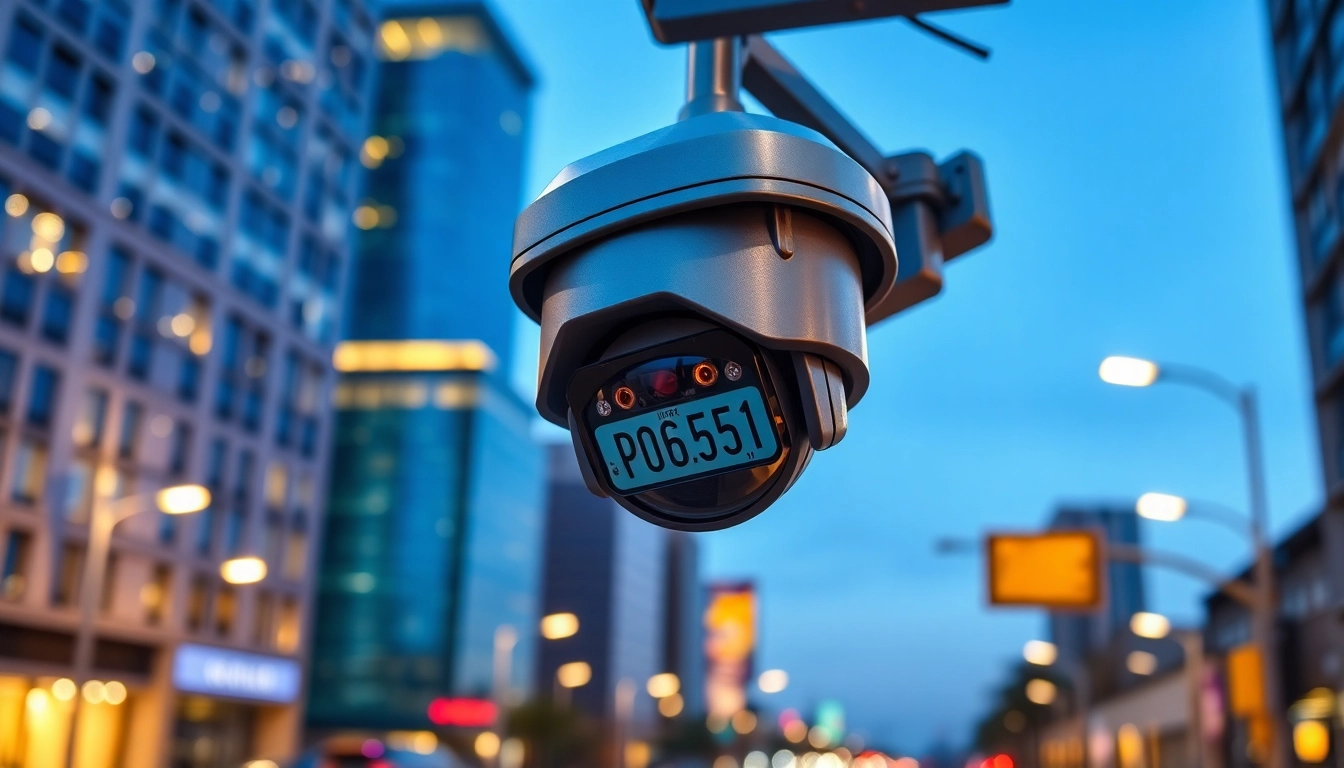
Introduction to License Plate Recognition Camera
As urban environments grow increasingly complex, the demand for effective surveillance and security solutions has surged. One transformative innovation in this domain is the license plate recognition camera. These specialized devices are integral to various applications, from enhancing security at residential areas to facilitating law enforcement operations. This article delves into the intricacies of license plate recognition cameras, examining their functionality, key features, and best practices for deployment, offering valuable insights for both commercial and residential users.
What is a License Plate Recognition Camera?
A license plate recognition camera, commonly known as an LPR camera, is a specialized technology designed to automatically read and interpret the alphanumeric characters on vehicle license plates. These cameras utilize sophisticated imaging technology, paired with optical character recognition (OCR) algorithms, to identify and log license plate data in real-time. Essentially, the LPR cameras serve as vigilant sentinels, capturing key vehicular information that can be used for various purposes, including security monitoring, traffic law enforcement, and access control.
How Does a License Plate Recognition Camera Work?
The operation of a license plate recognition camera involves a multi-step process. First, when a vehicle approaches, the camera captures high-resolution images of its license plate. This image capture process can occur at high speeds, ensuring that even fast-moving vehicles are accurately recorded. Next, these images are processed using advanced OCR technology that translates the visual data into readable text, effectively decoding the license plate number. Subsequently, the information can be stored in a database or transmitted to a monitoring center for real-time analysis.
Additionally, many LPR systems incorporate features such as timestamping and geolocation data, which enhance the analytical capabilities further, providing a comprehensive overview of vehicular movements over time.
Common Applications of License Plate Recognition Cameras
License plate recognition cameras have a wide range of applications across various sectors. Here are some prominent uses:
- Law Enforcement: Police departments employ LPR cameras for monitoring criminal activity, tracking stolen vehicles, and managing traffic violations.
- Parking Management: Many municipalities and private businesses utilize LPR technology for efficient parking enforcement, allowing automatic monitoring of parking durations and payments.
- Access Control: LPR systems are often integrated into gated communities and commercial properties, facilitating controlled access for registered vehicles while monitoring unauthorized entries.
- Traffic Monitoring: LPR cameras aid in managing traffic flow and congestion by collecting data on vehicle movement patterns.
Key Features of License Plate Recognition Camera
Resolution and Image Quality
The effectiveness of a license plate recognition camera is significantly influenced by its image resolution. Cameras with higher resolutions can capture clearer images, which is crucial for accurately reading license plates, especially at great distances or high speeds. Typically, an LPR camera should have at least 2 megapixels to ensure optimal performance, but models with 4 megapixels or higher are becoming increasingly common, offering better clarity and detail.
Infrared and Night Vision Capabilities
One of the essential features of a license plate recognition camera is its ability to perform under various lighting conditions. Many LPR cameras include infrared capabilities, allowing them to function effectively during nighttime or in low-light environments. This technology often involves the use of infrared illuminators that enable the camera to capture clear images without visible light interference, thus enhancing its ability to operate 24/7.
Data Storage and Management Options
Effective data management is critical in optimizing the utility of a license plate recognition camera. Modern LPR systems often come equipped with extensive storage solutions, ranging from local storage options, such as Network Video Recorders (NVRs), to cloud-based data storage. These solutions facilitate easy access and retrieval of recorded data, allowing for efficient monitoring and analysis. Furthermore, some systems feature analytics software that can provide insights and reports based on the captured data.
Choosing the Right License Plate Recognition Camera
Essential Specifications to Consider
When selecting a license plate recognition camera, it is vital to consider several key specifications:
- Field of View (FOV): A camera’s FOV must match the installation area to ensure adequate coverage of license plates from multiple angles.
- Frame Rate: A higher frame rate enhances the camera’s ability to capture fast-moving vehicles without loss of data.
- Weather Resistance: Look for cameras with weather-resistant housing that can withstand various environmental conditions, especially if installed outdoors.
Pricing Factors for License Plate Recognition Cameras
Pricing for license plate recognition cameras can vary widely based on features, brand, and technology. Basic models might start at a lower price point but may lack advanced functionalities such as high-resolution imaging or sophisticated analytics capabilities. Conversely, high-end models, equipped with state-of-the-art features like integrated artificial intelligence and extensive data management systems, can demand premium prices. It’s essential for potential buyers to assess their specific needs and budget to find an appropriate balance between cost and functionality.
Installation Considerations and Requirements
Proper installation of a license plate recognition camera is crucial for its effectiveness. Key considerations for installation include:
- Location: Cameras should be placed at strategic points where vehicle traffic can be monitored effectively, such as entry and exit points of facilities.
- Height and Angle: Ensure the camera is mounted at the right height and angle to capture license plates clearly without obstruction.
- Networking: Some LPR systems may require a stable internet connection for cloud storage and real-time monitoring. Ensure the necessary infrastructure is in place.
Best Practices for Using License Plate Recognition Camera
Optimizing Camera Placement for Maximum Coverage
For maximum effectiveness, careful consideration of camera placement is essential. This includes ensuring that the camera is positioned at a height that allows it to capture license plates without obstruction. Additionally, the angle of the camera lens should be adjusted to align perfectly with the expected trajectory of incoming and outgoing vehicles. Conducting a site survey can help determine optimal placements based on traffic patterns and landscape features.
Integration with Other Security Systems
Integrating license plate recognition cameras with other security systems can substantially enhance overall surveillance efficiency. Linking LPR systems with access control systems, alarm systems, or monitoring software can create a robust security network. This integration allows for automatic alerts and responses to unauthorized vehicle entries, thus improving safety measures in both residential and commercial properties.
Privacy and Legal Considerations
While license plate recognition cameras offer numerous benefits, they also raise legal and ethical questions regarding privacy. It is crucial to stay informed about local laws and regulations related to surveillance and data privacy. Implementing measures such as data encryption, limited access to recorded footage, and privacy policies can help reassure the public and promote responsible usage.
FAQs about License Plate Recognition Camera
How effective are license plate recognition cameras?
License plate recognition cameras are highly effective, achieving accuracy rates of up to 99% under optimal conditions. Their ability to rapidly process and analyze data makes them valuable for law enforcement and security applications.
Can license plate recognition cameras work in low light?
Yes, most license plate recognition cameras are equipped with infrared technology, allowing them to capture clear images even in low-light or nighttime situations, ensuring 24/7 operational capability.
What type of data do these cameras collect?
In addition to capturing license plate numbers, these cameras may collect date, time, and location data, providing detailed insights into vehicle movements and patterns over time.
Are there limitations to using a license plate recognition camera?
Some limitations include difficulty reading plates that are dirty, damaged, or obscured. Additionally, environmental factors like excessive sunlight or poor weather can impact performance.
How do I maintain a license plate recognition camera?
Regular maintenance involves cleaning the camera lens and housing to ensure clear image capture. Additionally, periodic software updates and system checks can help maintain performance and security.